our blog

Why Most Businesses Overestimate What AI Can Do in Year One
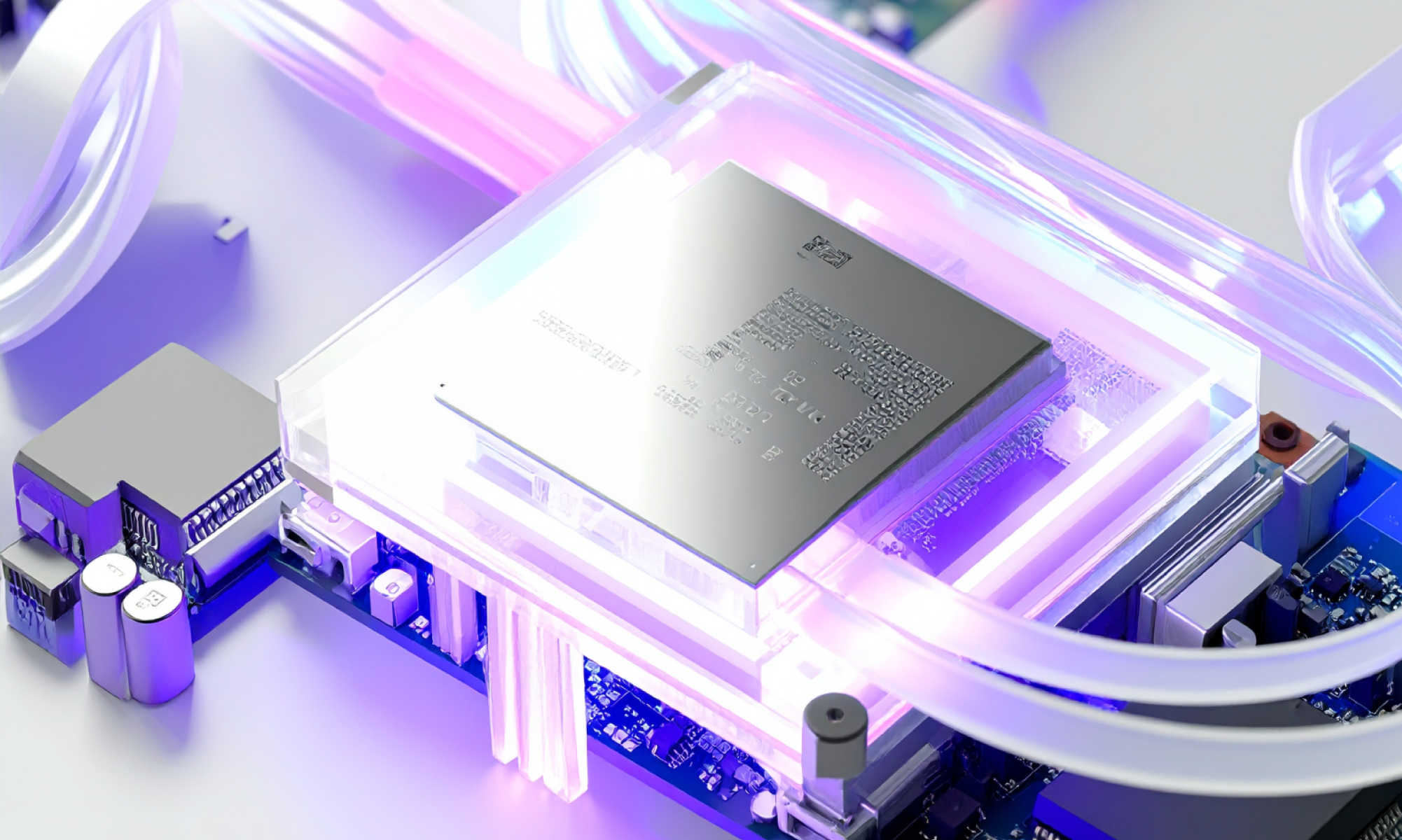
Business team planning AI adoption strategy with guidance from Studio Graphene

Most organisations start their AI journey expecting too much too soon. They assume AI will automate complex decisions, replace major workflows or instantly transform productivity. In reality, success is almost always about laying foundations, not delivering miracles. We see this often: teams arrive frustrated that the hype doesn’t match what they experience in practice.

The gap comes from misunderstanding what AI is capable of today. Models are strong at pattern recognition, summarisation and structured decision support, but they struggle with ambiguity, missing data, organisational silos and workflows that weren’t designed for automation. Businesses often try to apply AI to messy, cross-team processes and are surprised when results are inconsistent. The problem isn’t the technology - it’s the starting point.

Year one should be about learning how to adopt AI safely and systematically. That means understanding where AI genuinely adds value, improving data quality, mapping workflows, setting guardrails and getting comfortable with probabilistic outputs. It’s a period of building muscle memory: defining success, reviewing outputs, catching edge cases and understanding what “good enough” looks like in practice.We help teams establish this rhythm so early missteps don’t slow adoption later.

The mistake many companies make is assuming transformation comes from a single large initiative. It doesn’t. Real progress comes from dozens of small, compounding improvements - each scoped tightly, tested quickly and expanded only when it proves reliable. Teams that follow this approach end up with working models in production, clear operating patterns and strong internal trust. Those chasing headline grabbing ideas often finish with prototypes that couldn’t scale.

The organisations that succeed with AI treat year one as a capability building cycle, not a BHAG. They invest in foundations, start small and let evidence guide ambition. With the right scaffolding in place, year two and three deliver the big wins - not because the technology suddenly improves, but because the organisation finally knows how to use it.

At Studio Graphene, we work alongside teams to reduce risk, reset expectations and build the operating rhythm that leads to genuine, long-term AI impact. By focusing on foundations first, businesses can turn early experimentation into sustainable growth and lay the groundwork for AI to deliver measurable results in the years ahead.
spread the word, spread the word, spread the word, spread the word,
Abstract representation of AI product design showing evolving digital interfaces and iterative system behaviour over time
AI

AI Products Don’t Stay Finished: Why Product Design Is Becoming More Iterative Than Ever

Ritam Gandhi announces Studio Graphene’s integration with Tribe and expansion into Ireland
Studio

Why We’re Welcoming Tribe into Studio Graphene

AI-driven digital interface showing reduced user interaction, with automated systems handling tasks in the background while users monitor outputs and decisions through a simplified dashboard.
AI

AI Is Making Interfaces Less Visible. But Design Is Becoming More Important, Not Less

Diagram showing shift from linear user journeys to continuous, context-aware AI interactions
AI

AI Interaction Design and Conversational UX: Moving Beyond Linear User Journeys

Abstract illustration showing multimodal AI interfaces connecting voice, chat and automated systems across a digital product workflow, representing unified interaction design
AI

Multimodal AI Interface Design: Connecting Voice, Chat And Automation In Digital Products

AI Products Don’t Stay Finished: Why Product Design Is Becoming More Iterative Than Ever

Abstract representation of AI product design showing evolving digital interfaces and iterative system behaviour over time
AI

AI Products Don’t Stay Finished: Why Product Design Is Becoming More Iterative Than Ever

Why We’re Welcoming Tribe into Studio Graphene

Ritam Gandhi announces Studio Graphene’s integration with Tribe and expansion into Ireland
Studio

Why We’re Welcoming Tribe into Studio Graphene

AI Is Making Interfaces Less Visible. But Design Is Becoming More Important, Not Less

AI-driven digital interface showing reduced user interaction, with automated systems handling tasks in the background while users monitor outputs and decisions through a simplified dashboard.
AI

AI Is Making Interfaces Less Visible. But Design Is Becoming More Important, Not Less

AI Interaction Design and Conversational UX: Moving Beyond Linear User Journeys

Diagram showing shift from linear user journeys to continuous, context-aware AI interactions
AI

AI Interaction Design and Conversational UX: Moving Beyond Linear User Journeys

Multimodal AI Interface Design: Connecting Voice, Chat And Automation In Digital Products

Abstract illustration showing multimodal AI interfaces connecting voice, chat and automated systems across a digital product workflow, representing unified interaction design
AI

Multimodal AI Interface Design: Connecting Voice, Chat And Automation In Digital Products

AI Products Don’t Stay Finished: Why Product Design Is Becoming More Iterative Than Ever

Abstract representation of AI product design showing evolving digital interfaces and iterative system behaviour over time

Why We’re Welcoming Tribe into Studio Graphene

Ritam Gandhi announces Studio Graphene’s integration with Tribe and expansion into Ireland

AI Is Making Interfaces Less Visible. But Design Is Becoming More Important, Not Less

AI-driven digital interface showing reduced user interaction, with automated systems handling tasks in the background while users monitor outputs and decisions through a simplified dashboard.

AI Interaction Design and Conversational UX: Moving Beyond Linear User Journeys

Diagram showing shift from linear user journeys to continuous, context-aware AI interactions

Multimodal AI Interface Design: Connecting Voice, Chat And Automation In Digital Products

Abstract illustration showing multimodal AI interfaces connecting voice, chat and automated systems across a digital product workflow, representing unified interaction design