our blog

Where Agentic AI Works Best Inside Organisations
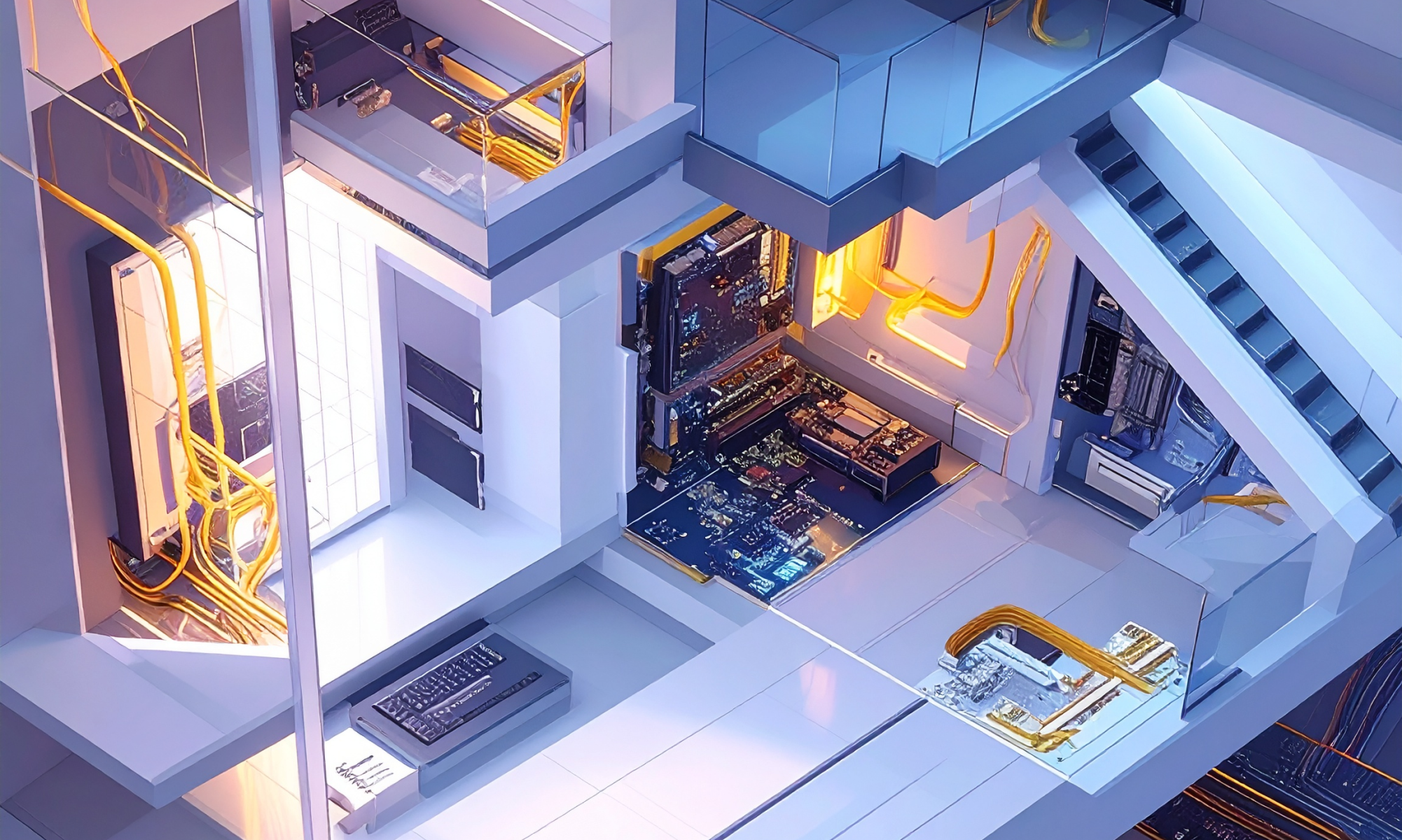
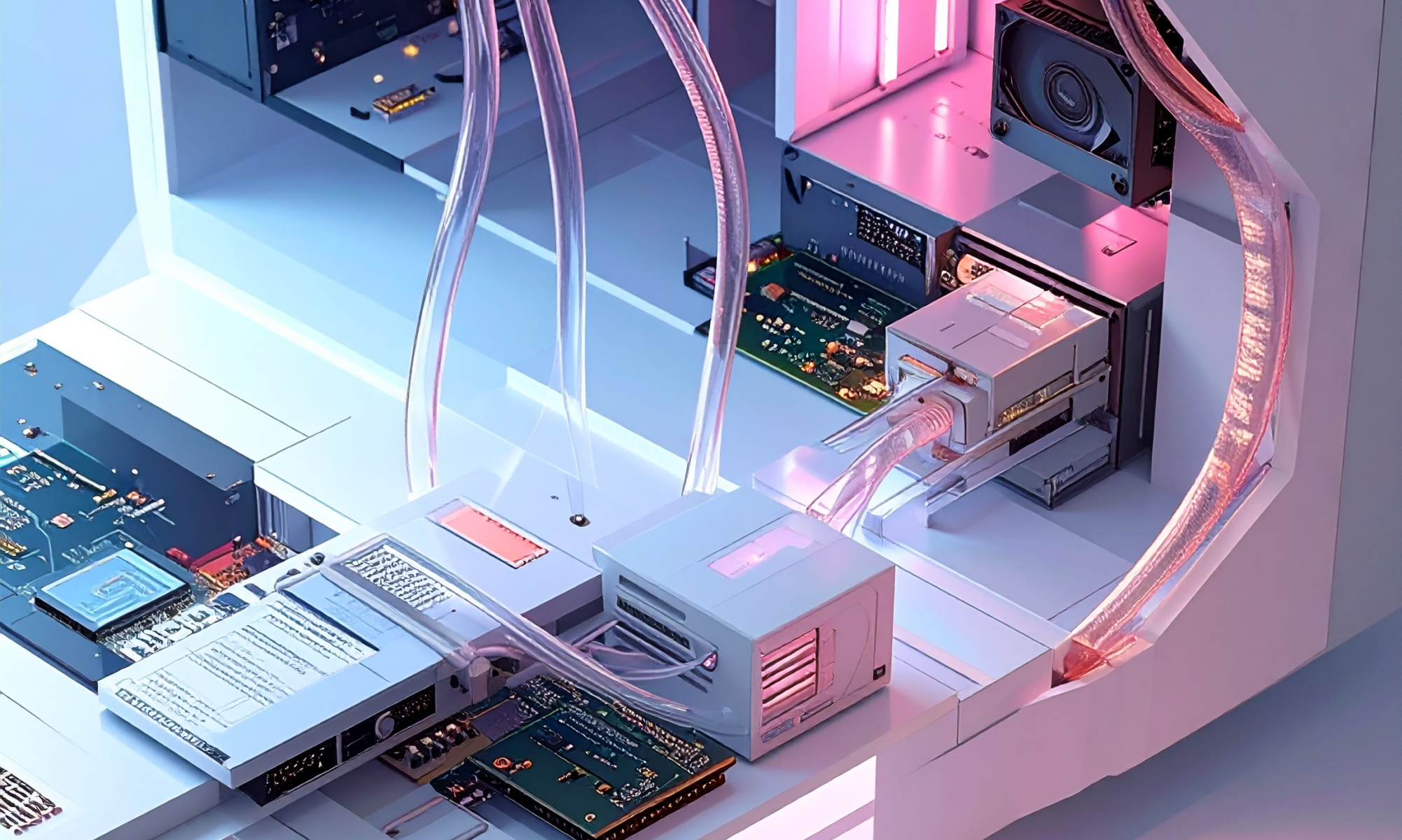
Diagram showing agentic AI embedded within a digital platform, supporting teams through structured multi-step workflows

Agentic AI is most valuable when it is used with intent. Not every workflow needs an agent and not every problem benefits from one. In practice, agents work best when they sit inside existing digital platforms and processes, supporting how teams already work rather than trying to replace them.

Within a custom digital product or internal system, agents are particularly effective at handling structured work that happens repeatedly. These are the kinds of tasks that involve several steps, follow a clear pattern and need to be done consistently. When designed well, an agent can move work forward quietly in the background, while people stay focused on decisions that need experience and judgement.

Teams often struggle with where to introduce agents. A common starting point is to aim too high, using AI to tackle complex decisions or edge cases where context and nuance matter most. Others place agents into high risk areas without fully understanding the operational impact. When this happens, agents can create friction rather than reducing it, especially if success criteria and boundaries are unclear.

What tends to work better is starting with workflows that are predictable and forgiving. Tasks where progress can be paused safely, outcomes can be checked and delays do not cause harm. In these areas, agents can take on the repetitive coordination work while humans remain in control of direction and outcomes.

Decent examples often sit in the middle of a workflow rather than at the start or end. Gathering customer feedback from multiple sources, tracking competitor activity, monitoring social channels or preparing routine reports are all strong candidates. Inside a digital platform, an agent can collect information, organise it and present it in a consistent way. Teams then review the output, interpret what matters and decide what action to take.

To make this more concrete, consider a product team trying to stay close to customer sentiment. An agent embedded into their internal tools can regularly scan reviews, forums and support tickets, then summarise themes and changes over time. The team reviews the summary, highlights anything unexpected and decides what to prioritise next. The agent handles the volume and repetition, while people handle meaning and judgement.

This balance is where agentic AI proves its value. Human checkpoints are not a limitation, they are a strength. Clear review points help teams trust the system, spot issues early and prevent small errors from compounding. Knowing when an agent should escalate, pause or hand work back is just as important as what it automates.

At Studio Graphene, we have found that agents perform best when they are designed as part of a wider digital platform, not bolted on as an afterthought. Clear boundaries, well defined outcomes and simple checkpoints matter more than complex models or full automation. When agents are placed thoughtfully within workflows, teams can work better, move faster and make smarter decisions, with AI supporting everyday work in a practical and dependable way.

spread the word, spread the word, spread the word, spread the word,
Abstract representation of AI product design showing evolving digital interfaces and iterative system behaviour over time
AI

AI Products Don’t Stay Finished: Why Product Design Is Becoming More Iterative Than Ever

Ritam Gandhi announces Studio Graphene’s integration with Tribe and expansion into Ireland
Studio

Why We’re Welcoming Tribe into Studio Graphene

AI-driven digital interface showing reduced user interaction, with automated systems handling tasks in the background while users monitor outputs and decisions through a simplified dashboard.
AI

AI Is Making Interfaces Less Visible. But Design Is Becoming More Important, Not Less

Diagram showing shift from linear user journeys to continuous, context-aware AI interactions
AI

AI Interaction Design and Conversational UX: Moving Beyond Linear User Journeys

Abstract illustration showing multimodal AI interfaces connecting voice, chat and automated systems across a digital product workflow, representing unified interaction design
AI

Multimodal AI Interface Design: Connecting Voice, Chat And Automation In Digital Products

AI Products Don’t Stay Finished: Why Product Design Is Becoming More Iterative Than Ever

Abstract representation of AI product design showing evolving digital interfaces and iterative system behaviour over time
AI

AI Products Don’t Stay Finished: Why Product Design Is Becoming More Iterative Than Ever

Why We’re Welcoming Tribe into Studio Graphene

Ritam Gandhi announces Studio Graphene’s integration with Tribe and expansion into Ireland
Studio

Why We’re Welcoming Tribe into Studio Graphene

AI Is Making Interfaces Less Visible. But Design Is Becoming More Important, Not Less

AI-driven digital interface showing reduced user interaction, with automated systems handling tasks in the background while users monitor outputs and decisions through a simplified dashboard.
AI

AI Is Making Interfaces Less Visible. But Design Is Becoming More Important, Not Less

AI Interaction Design and Conversational UX: Moving Beyond Linear User Journeys

Diagram showing shift from linear user journeys to continuous, context-aware AI interactions
AI

AI Interaction Design and Conversational UX: Moving Beyond Linear User Journeys

Multimodal AI Interface Design: Connecting Voice, Chat And Automation In Digital Products

Abstract illustration showing multimodal AI interfaces connecting voice, chat and automated systems across a digital product workflow, representing unified interaction design
AI

Multimodal AI Interface Design: Connecting Voice, Chat And Automation In Digital Products

AI Products Don’t Stay Finished: Why Product Design Is Becoming More Iterative Than Ever

Abstract representation of AI product design showing evolving digital interfaces and iterative system behaviour over time

Why We’re Welcoming Tribe into Studio Graphene

Ritam Gandhi announces Studio Graphene’s integration with Tribe and expansion into Ireland

AI Is Making Interfaces Less Visible. But Design Is Becoming More Important, Not Less

AI-driven digital interface showing reduced user interaction, with automated systems handling tasks in the background while users monitor outputs and decisions through a simplified dashboard.

AI Interaction Design and Conversational UX: Moving Beyond Linear User Journeys

Diagram showing shift from linear user journeys to continuous, context-aware AI interactions

Multimodal AI Interface Design: Connecting Voice, Chat And Automation In Digital Products

Abstract illustration showing multimodal AI interfaces connecting voice, chat and automated systems across a digital product workflow, representing unified interaction design