our blog

Human-in-the-Loop AI: Designing Systems People Can Trust

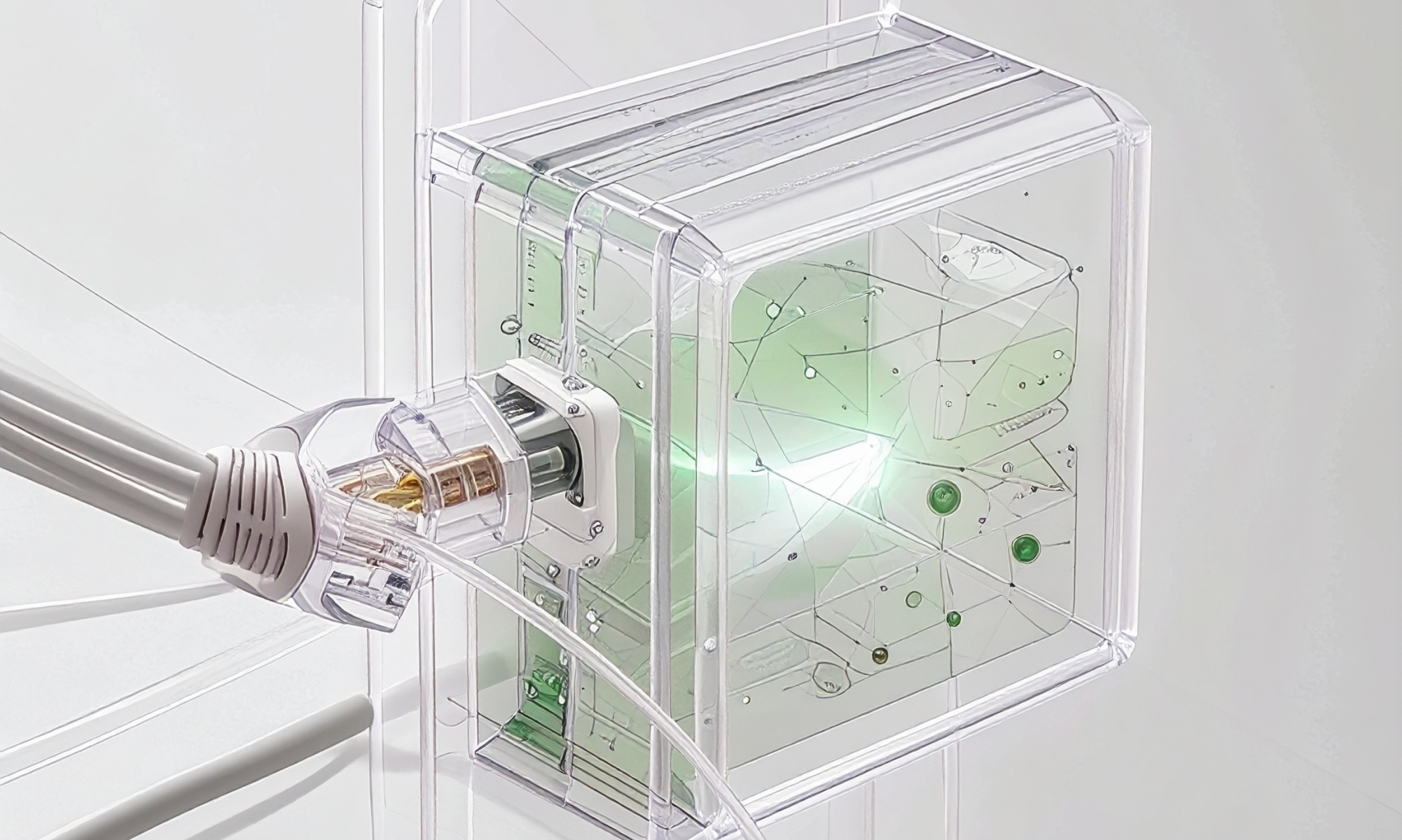
Illustration showing humans working alongside AI systems with clear handoffs, visibility and control in a digital product environment

“Human-in- the-loop” (HITL) gets talked about a lot in AI circles, often as a safety mechanism or a fallback. But this framing tends to miss the point. The most effective AI systems aren’t the ones trying to remove people from the equation. They’re the ones designed to work alongside them and designed into products people actually use.

In the real world, full autonomy is rarely the goal. What teams really want is relief from the parts of work that slow them down or drain energy: chasing information, coordinating steps, checking patterns, keeping things moving. AI handles these tasks consistently when they’re well defined, freeing people to focus on judgement, decision making and the moments that genuinely need human context. This is exactly where thoughtful digital product design makes the difference - making sure AI supports the user’s workflow vs. creating possible friction.

Problems start when human involvement is treated as a failure of automation. Which shouldn’t ever be the case. HITL is what makes AI practical, with people bringing context, accountability and an understanding of what matters right now. AI brings the speed, consistency and scale. When software is designed with this balance in mind, teams don’t just work faster but with more confidence - and it’s this confidence that should be intentionally designed into the product experience.

Good HITL design doesn’t happen by accident. At Studio Graphene, we embed it into every product we build. It’s deliberate about where AI can act independently and where it should pause. Behaviour is visible so users can understand what’s happening without needing to be technical. And it assumes things will go wrong sometimes, so small errors don’t quietly compound into bigger problems.

This matters even more in digital products that people rely on every day. If users feel unsure about what a system is doing, or worry they’ll be surprised by an automated decision, trust can potentially vanish pretty quickly. When behaviour is predictable and control is clear, the opposite happens: people lean in rather than work around the system.

Our aim at Studio Graphene is simple: to build software that makes people feel more capable and supported. HITL systems improve efficiency and they make work possible that would otherwise be overwhelming or unrealistic. The real gains come from giving humans better tools to think clearly, make better decisions and stay in control - all designed into the digital products they use every day.


spread the word, spread the word, spread the word, spread the word,
Abstract illustration showing AI-native product design concepts, with systems architecture, workflows and intelligence embedded into product development from the outset rather than layered onto existing systems
AI

What “AI-Native” Actually Means (and Why Most Products Aren’t)

Abstract illustration showing AI product development workflows, with rapid experimentation, prototyping and validation loops connected to product decision-making and business outcomes
AI

The Most Expensive Mistake in AI Product Development

Illustration representing an AI-native competitor challenging traditional product strategy, showing how AI, automation and modern engineering can help organisations rethink inherited assumptions, operating models and competitive advantage.
AI

What Would Your AI-Native Competitor Do?

Abstract illustration showing AI influencing product strategy, with connected systems representing ideas, validation and rapid experimentation feeding into product decisions
AI

How AI Is Changing Product Strategy and Validation

Illustration showing product designers making judgement-led decisions in AI systems with variable, context-dependent outcomes rather than fixed outputs.
AI

AI Is Turning Product Design Into A Judgement-Led Discipline

What “AI-Native” Actually Means (and Why Most Products Aren’t)

Abstract illustration showing AI-native product design concepts, with systems architecture, workflows and intelligence embedded into product development from the outset rather than layered onto existing systems
AI

What “AI-Native” Actually Means (and Why Most Products Aren’t)

The Most Expensive Mistake in AI Product Development

Abstract illustration showing AI product development workflows, with rapid experimentation, prototyping and validation loops connected to product decision-making and business outcomes
AI

The Most Expensive Mistake in AI Product Development

What Would Your AI-Native Competitor Do?

Illustration representing an AI-native competitor challenging traditional product strategy, showing how AI, automation and modern engineering can help organisations rethink inherited assumptions, operating models and competitive advantage.
AI

What Would Your AI-Native Competitor Do?

How AI Is Changing Product Strategy and Validation

Abstract illustration showing AI influencing product strategy, with connected systems representing ideas, validation and rapid experimentation feeding into product decisions
AI

How AI Is Changing Product Strategy and Validation

AI Is Turning Product Design Into A Judgement-Led Discipline

Illustration showing product designers making judgement-led decisions in AI systems with variable, context-dependent outcomes rather than fixed outputs.
AI

AI Is Turning Product Design Into A Judgement-Led Discipline

What “AI-Native” Actually Means (and Why Most Products Aren’t)

Abstract illustration showing AI-native product design concepts, with systems architecture, workflows and intelligence embedded into product development from the outset rather than layered onto existing systems

The Most Expensive Mistake in AI Product Development

Abstract illustration showing AI product development workflows, with rapid experimentation, prototyping and validation loops connected to product decision-making and business outcomes

What Would Your AI-Native Competitor Do?

Illustration representing an AI-native competitor challenging traditional product strategy, showing how AI, automation and modern engineering can help organisations rethink inherited assumptions, operating models and competitive advantage.

How AI Is Changing Product Strategy and Validation

Abstract illustration showing AI influencing product strategy, with connected systems representing ideas, validation and rapid experimentation feeding into product decisions

AI Is Turning Product Design Into A Judgement-Led Discipline

Illustration showing product designers making judgement-led decisions in AI systems with variable, context-dependent outcomes rather than fixed outputs.