
our blog

What Are AI Hallucinations? Turning Flaws Into Features
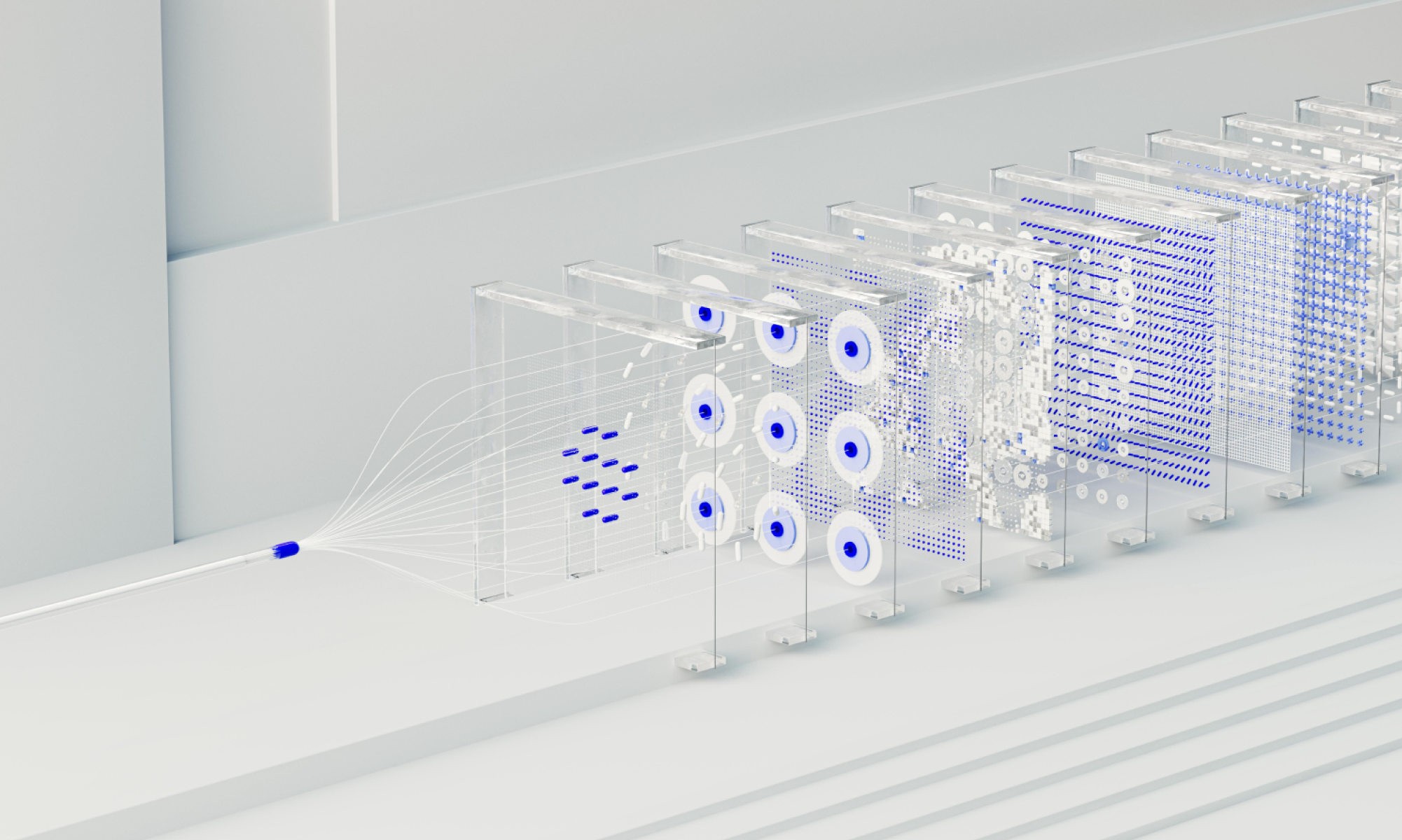
Abstract illustration of AI generating unexpected outputs, symbolising both errors and creative possibilities, for Studio Graphene blog.

AI sometimes produces outputs that look convincing but aren’t accurate. These “hallucinations” are usually treated as a flaw, but they can also be an unexpected source of insight. In the right context, hallucinations can spark creativity, uncover connections that wouldn’t be obvious and generate useful ideas - if you know how to approach them.

Usually, hallucinations appear when AI is working with incomplete or biased training data. The results can be wrong, misleading, or simply irrelevant, which risks wasted time correcting outputs and can frustrate users when precision is essential. That’s why hallucinations are often treated as something to eliminate entirely.

And in many cases, they absolutely must be. In fields such as medicine, finance and law, even a small error can have serious consequences. Here, there’s no room for ambiguity or guesswork – accuracy is non negotiable and hallucinations need to be eliminated.

But not all hallucinations are bad. In more exploratory settings – like design, brainstorming or even marketing – unexpected outputs can sometimes lead to valuable connections. For example, a system might generate a “wrong” introduction or match, but the connection it suggests could turn out to be highly useful in ways you wouldn’t have planned. These kinds of happy accidents highlight that unpredictability can be a feature rather than a bug, but only if it’s treated thoughtfully.

When working with AI hallucinations, it’s important to ask three key questions: is this task one where precision is critical, or is exploration acceptable? Can outputs be quickly validated before acting on them? And could these unexpected results provide creative fuel that adds value?

At Studio Graphene, we approach hallucinations selectively. We keep humans central in the process to filter and refine outputs, and we treat hallucinations as a potential tool rather than a universal solution. Sometimes, a flaw in the system isn’t a problem to be fixed but it’s instead part of the creative process, guiding ideas and possibilities that would otherwise remain hidden.

The takeaway is simple: not every hallucination needs to be eliminated. By understanding where they can be useful and keeping humans in the loop, AI’s unexpected outputs can become a practical advantage, not just a risk.


spread the word, spread the word, spread the word, spread the word,
Illustration showing humans working alongside AI systems with clear handoffs, visibility and control in a digital product environment
AI

Human-in-the-Loop AI: Designing Systems People Can Trust

Illustration showing a gradual transition from AI copilots to autonomous agents with human oversight
AI

Agentic AI Adoption: Moving From Copilots To Agents Without Breaking Trust

Illustration showing agentic AI operating within a digital platform, with clear checkpoints and human oversight ensuring safe and predictable behaviour
AI

Designing Guardrails for Agentic AI in Digital Products

Illustration showing agentic AI operating within a digital product, with humans reviewing key outputs to maintain control and trust
AI

The Real Cost of Agentic AI Done Badly

Diagram showing agentic AI embedded within a digital platform, supporting teams through structured multi-step workflows
AI

Where Agentic AI Works Best Inside Organisations

Human-in-the-Loop AI: Designing Systems People Can Trust

Illustration showing humans working alongside AI systems with clear handoffs, visibility and control in a digital product environment
AI

Human-in-the-Loop AI: Designing Systems People Can Trust

Agentic AI Adoption: Moving From Copilots To Agents Without Breaking Trust

Illustration showing a gradual transition from AI copilots to autonomous agents with human oversight
AI

Agentic AI Adoption: Moving From Copilots To Agents Without Breaking Trust

Designing Guardrails for Agentic AI in Digital Products

Illustration showing agentic AI operating within a digital platform, with clear checkpoints and human oversight ensuring safe and predictable behaviour
AI

Designing Guardrails for Agentic AI in Digital Products

The Real Cost of Agentic AI Done Badly

Illustration showing agentic AI operating within a digital product, with humans reviewing key outputs to maintain control and trust
AI

The Real Cost of Agentic AI Done Badly

Where Agentic AI Works Best Inside Organisations

Diagram showing agentic AI embedded within a digital platform, supporting teams through structured multi-step workflows
AI

Where Agentic AI Works Best Inside Organisations

Human-in-the-Loop AI: Designing Systems People Can Trust

Illustration showing humans working alongside AI systems with clear handoffs, visibility and control in a digital product environment

Agentic AI Adoption: Moving From Copilots To Agents Without Breaking Trust

Illustration showing a gradual transition from AI copilots to autonomous agents with human oversight

Designing Guardrails for Agentic AI in Digital Products

Illustration showing agentic AI operating within a digital platform, with clear checkpoints and human oversight ensuring safe and predictable behaviour

The Real Cost of Agentic AI Done Badly

Illustration showing agentic AI operating within a digital product, with humans reviewing key outputs to maintain control and trust

Where Agentic AI Works Best Inside Organisations

Diagram showing agentic AI embedded within a digital platform, supporting teams through structured multi-step workflows