our blog

AI Product Backlog: Prioritise Ideas Effectively
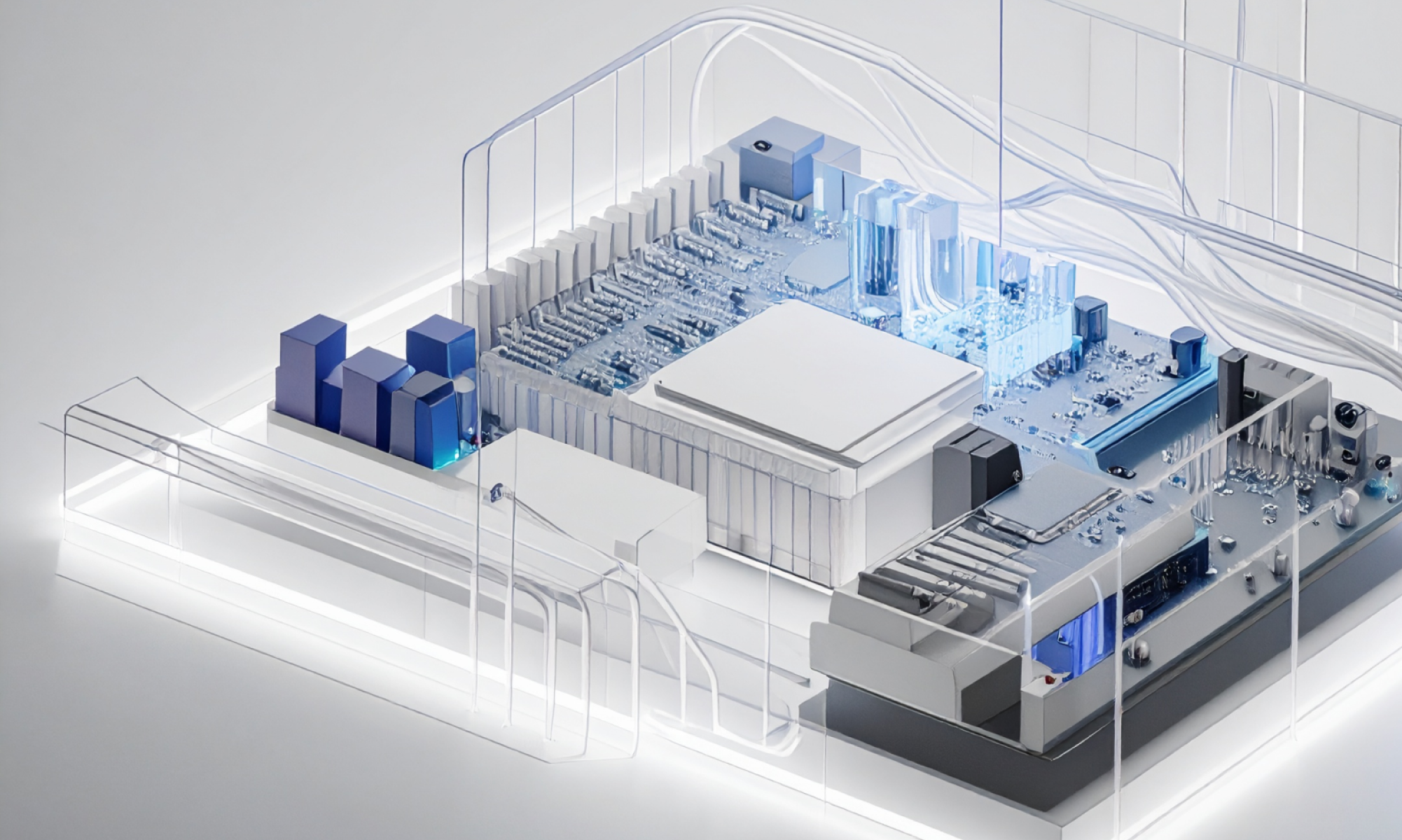
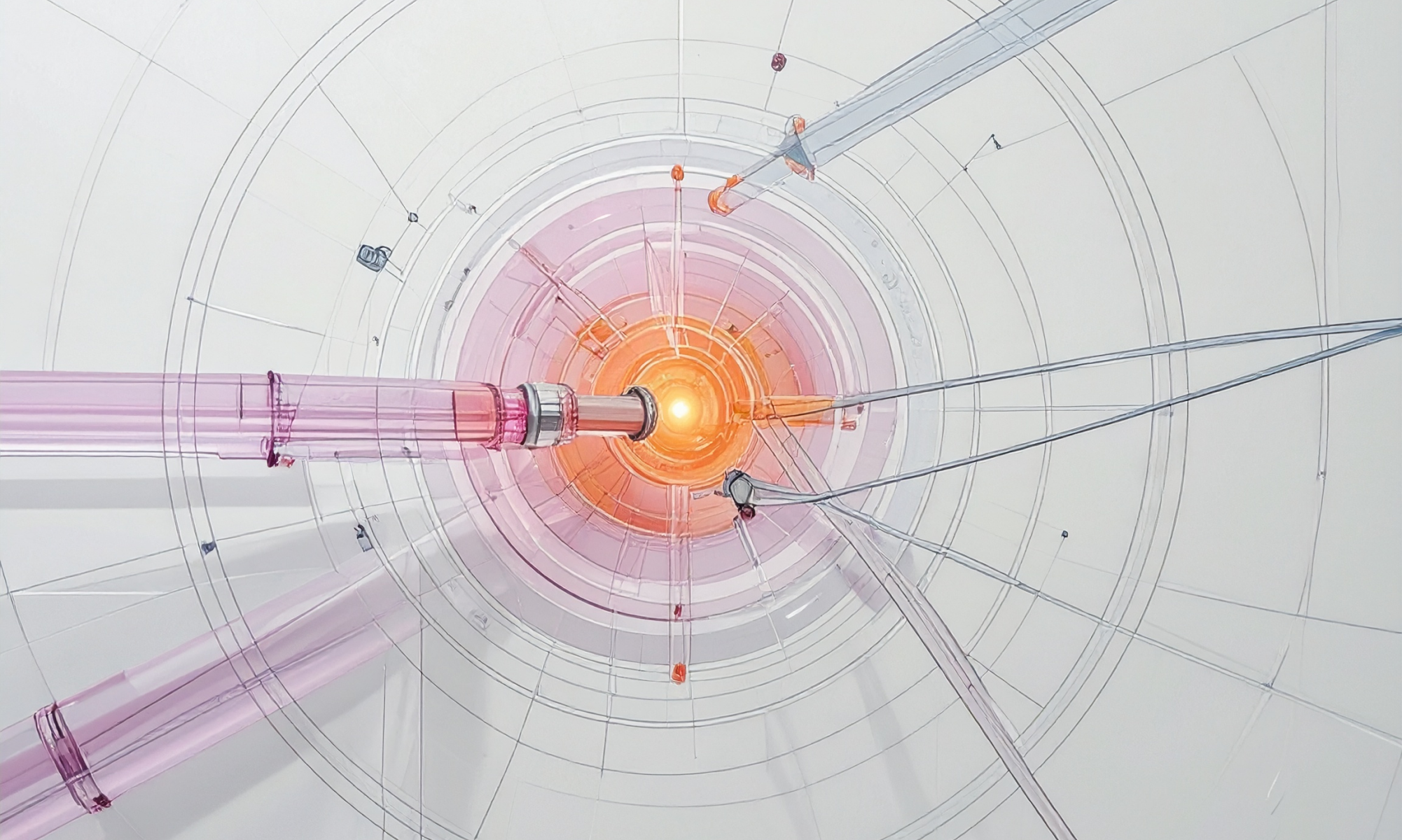
Diagram showing an AI product backlog with model user stories, scoring and readiness checks to prioritise ideas.

AI can feel complicated at first. Ideas seem to come from everywhere, product teams, analysts, leadership, and some are quick wins while others are way more complex. Without a simple way to sort them, it’s easy to lose focus or spend time on ideas that aren’t ready.

An AI product backlog can help bring structure. It’s a practical way to capture, evaluate and prioritise opportunities in one place. Each idea can be written as a short “model user story” – a one page summary of the problem, the data needed, any safeguards and a measure of success. Keeping it brief makes it easier to compare ideas and decide which to explore first.

When deciding what to focus on, it helps to think about four things: potential impact, data readiness, effort and running costs. This process should help with spotting which ideas are easier to start with and which may need more prep. High impact ideas can be tempting, but if key data is missing or costs are high, it might be better to pause. Smaller ideas with ready data and a clear path can mean quick wins and build confidence.

A few practical checks can also help save time. Do we have legal access to the data? Is it in the right format? What if the AI’s confidence is low? Who will retrain it when needed? Considering these questions early prevents common mistakes without creating a heavy checklist.

Cost and risk are worth noting too. Each idea can record infrastructure costs, privacy considerations, potential data evolution and a plan for evaluation. Reviewing the backlog regularly, promoting experiments that perform well and archiving ideas that aren’t ready with a clear ‘why not now’ keeps the backlog manageable while keeping the focus on learning and moving forward.

This approach makes it easier to see the bigger picture. Teams can track what’s being explored, what’s ready to build and what still needs attention.

At Studio Graphene, we’ve found that a simple structure like this can help teams bring order to their AI plans. That could be through a workshop, sharing templates or helping teams think through how to manage ideas in one place. We find it’s a flexible way to keep AI initiatives practical, measurable and easy to steer, letting teams move forward with confidence while we all learn.
spread the word, spread the word, spread the word, spread the word,
Abstract representation of AI product design showing evolving digital interfaces and iterative system behaviour over time
AI

AI Products Don’t Stay Finished: Why Product Design Is Becoming More Iterative Than Ever

Ritam Gandhi announces Studio Graphene’s integration with Tribe and expansion into Ireland
Studio

Why We’re Welcoming Tribe into Studio Graphene

AI-driven digital interface showing reduced user interaction, with automated systems handling tasks in the background while users monitor outputs and decisions through a simplified dashboard.
AI

AI Is Making Interfaces Less Visible. But Design Is Becoming More Important, Not Less

Diagram showing shift from linear user journeys to continuous, context-aware AI interactions
AI

AI Interaction Design and Conversational UX: Moving Beyond Linear User Journeys

Abstract illustration showing multimodal AI interfaces connecting voice, chat and automated systems across a digital product workflow, representing unified interaction design
AI

Multimodal AI Interface Design: Connecting Voice, Chat And Automation In Digital Products

AI Products Don’t Stay Finished: Why Product Design Is Becoming More Iterative Than Ever

Abstract representation of AI product design showing evolving digital interfaces and iterative system behaviour over time
AI

AI Products Don’t Stay Finished: Why Product Design Is Becoming More Iterative Than Ever

Why We’re Welcoming Tribe into Studio Graphene

Ritam Gandhi announces Studio Graphene’s integration with Tribe and expansion into Ireland
Studio

Why We’re Welcoming Tribe into Studio Graphene

AI Is Making Interfaces Less Visible. But Design Is Becoming More Important, Not Less

AI-driven digital interface showing reduced user interaction, with automated systems handling tasks in the background while users monitor outputs and decisions through a simplified dashboard.
AI

AI Is Making Interfaces Less Visible. But Design Is Becoming More Important, Not Less

AI Interaction Design and Conversational UX: Moving Beyond Linear User Journeys

Diagram showing shift from linear user journeys to continuous, context-aware AI interactions
AI

AI Interaction Design and Conversational UX: Moving Beyond Linear User Journeys

Multimodal AI Interface Design: Connecting Voice, Chat And Automation In Digital Products

Abstract illustration showing multimodal AI interfaces connecting voice, chat and automated systems across a digital product workflow, representing unified interaction design
AI

Multimodal AI Interface Design: Connecting Voice, Chat And Automation In Digital Products

AI Products Don’t Stay Finished: Why Product Design Is Becoming More Iterative Than Ever

Abstract representation of AI product design showing evolving digital interfaces and iterative system behaviour over time

Why We’re Welcoming Tribe into Studio Graphene

Ritam Gandhi announces Studio Graphene’s integration with Tribe and expansion into Ireland

AI Is Making Interfaces Less Visible. But Design Is Becoming More Important, Not Less

AI-driven digital interface showing reduced user interaction, with automated systems handling tasks in the background while users monitor outputs and decisions through a simplified dashboard.

AI Interaction Design and Conversational UX: Moving Beyond Linear User Journeys

Diagram showing shift from linear user journeys to continuous, context-aware AI interactions

Multimodal AI Interface Design: Connecting Voice, Chat And Automation In Digital Products

Abstract illustration showing multimodal AI interfaces connecting voice, chat and automated systems across a digital product workflow, representing unified interaction design