our blog

AI Is Reshaping Finance. But the Real Shift Is in How Platforms Work

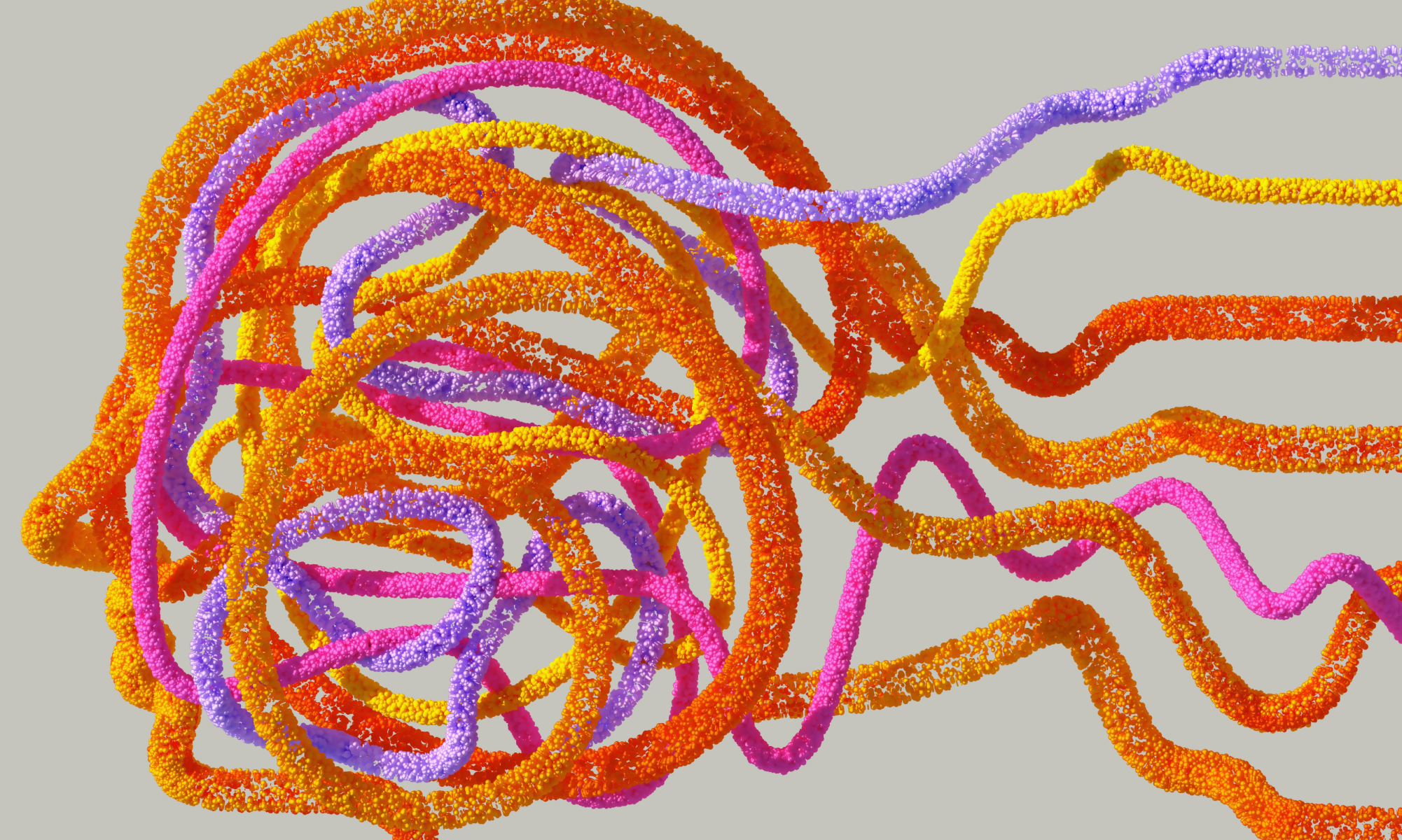
Illustration showing a modern financial platform with AI-driven decisions, continuous data flows and dynamic movement of assets across multiple sources.

AI, data and tokenisation are often framed as upgrades to financial services - faster analysis, better insights, more efficient transactions. That’s broadly true, but it understates what’s actually changing.

We’re seeing a shift in how financial platforms are built and, consequently, how they need to be designed. Finance has traditionally been organised around fixed structures: products defined upfront, money moving in discrete steps, decisions made at set intervals. That model shaped not just the technology but the interfaces, workflows and assumptions that sit on top of it.

Those structures are starting to give way. Better data and more capable AI means decisions that once happened in batches can now happen continuously. Assets that were once locked into a single context can move more freely and be put to work in more ways. For the people building and designing these platforms, it changes what users need to see, when they need to act and how much of the process should be visible to them at all.

Many fintech products are still built around a single, linear journey: one product, one flow, one outcome. But businesses today are pulling from multiple sources of funding at once, each with different expectations and timelines. The design challenge shifts from presenting a product clearly to helping people navigate something genuinely more complex.

When money and value can flow more freely, restructured, reassigned or used in multiple ways at once, interfaces built around simple step-by-step processes start to feel like the wrong model. They can’t represent what’s actually happening and that gap creates confusion and friction.

This is where a lot of platforms are quietly accumulating problems. Built for a more predictable world - periodic updates, batch processing, straightforward user journeys - they start to strain when the underlying reality becomes more fluid. The interface misrepresents what’s happening and users lose confidence in what they’re looking at.

AI embedded in a workflow changes the designer’s job: less about mapping every possible action a user might take, more about designing for outcomes that are shaped dynamically. That requires being clear about what the user should control, what the system should handle and where transparency matters, especially when automated decisions carry real consequences.

Some parts of a platform are deterministic - there’s a correct answer, the rules are fixed and the interface should reflect that certainty. Others are probabilistic - the system is working with incomplete information and offering its best assessment, not a guarantee. Presenting a probabilistic output as if it were definitive is where trust breaks down.

As businesses draw on a wider mix of funding and financial tools, platforms need to be built with that flexibility in mind from the start, not retrofitted to handle complexity they weren’t designed for. The platforms worth building now are more dynamic, more connected and less shaped by assumptions that made sense in a different era.


spread the word, spread the word, spread the word, spread the word,
Illustration showing a modern financial platform with AI-driven decisions, continuous data flows and dynamic movement of assets across multiple sources.
AI

AI Is Reshaping Finance. But the Real Shift Is in How Platforms Work

Illustration showing AI decisions being reviewed and updated by humans over time to stay accurate and relevant.
AI

Keeping AI Decisions Accurate Over Time

Illustration showing AI tools integrated into a workflow, with humans reviewing outputs and making decisions at key points.
AI

Orchestrating AI for Smarter Workflows

Illustration showing AI handling complex, uncertain tasks while predictable processes use rules-based systems.
AI

When to Use AI and When Not To

AI-driven software development shifting requirements from detailed documentation to rapid iteration and smarter effort
AI

Why AI Is Changing How Software Requirements Are Written

AI Is Reshaping Finance. But the Real Shift Is in How Platforms Work

Illustration showing a modern financial platform with AI-driven decisions, continuous data flows and dynamic movement of assets across multiple sources.
AI

AI Is Reshaping Finance. But the Real Shift Is in How Platforms Work

Keeping AI Decisions Accurate Over Time

Illustration showing AI decisions being reviewed and updated by humans over time to stay accurate and relevant.
AI

Keeping AI Decisions Accurate Over Time

Orchestrating AI for Smarter Workflows

Illustration showing AI tools integrated into a workflow, with humans reviewing outputs and making decisions at key points.
AI

Orchestrating AI for Smarter Workflows

When to Use AI and When Not To

Illustration showing AI handling complex, uncertain tasks while predictable processes use rules-based systems.
AI

When to Use AI and When Not To

Why AI Is Changing How Software Requirements Are Written

AI-driven software development shifting requirements from detailed documentation to rapid iteration and smarter effort
AI

Why AI Is Changing How Software Requirements Are Written

AI Is Reshaping Finance. But the Real Shift Is in How Platforms Work

Illustration showing a modern financial platform with AI-driven decisions, continuous data flows and dynamic movement of assets across multiple sources.

Keeping AI Decisions Accurate Over Time

Illustration showing AI decisions being reviewed and updated by humans over time to stay accurate and relevant.

Orchestrating AI for Smarter Workflows

Illustration showing AI tools integrated into a workflow, with humans reviewing outputs and making decisions at key points.

When to Use AI and When Not To

Illustration showing AI handling complex, uncertain tasks while predictable processes use rules-based systems.

Why AI Is Changing How Software Requirements Are Written

AI-driven software development shifting requirements from detailed documentation to rapid iteration and smarter effort