our blog

Orchestrating AI for Smarter Workflows
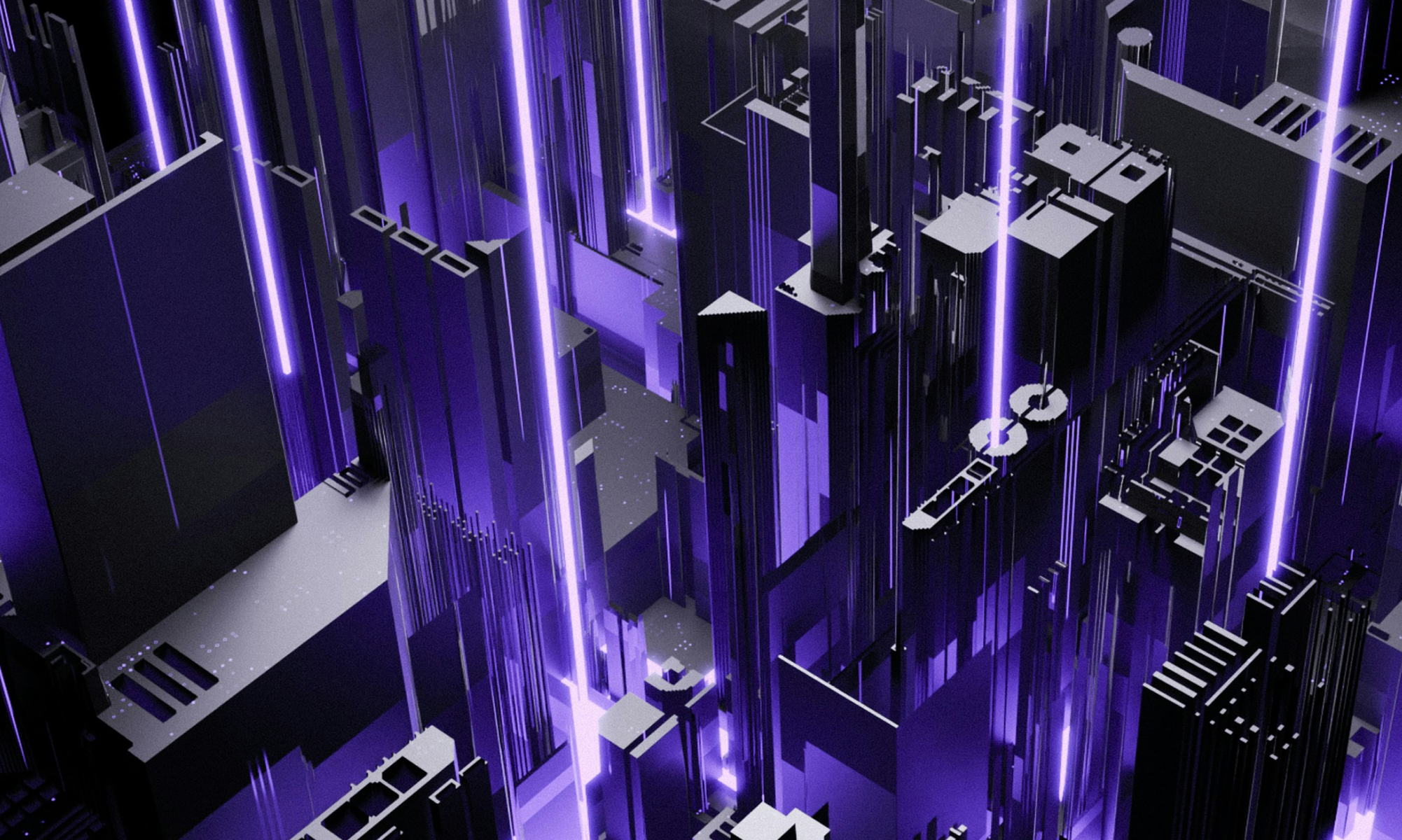
Illustration showing AI tools integrated into a workflow, with humans reviewing outputs and making decisions at key points.

AI tools are becoming easier to access with large language models, image generators and automation platforms now widely available. Access is no longer the blocker.

What holds organisations back is how these tools are applied. Most teams can access the same models, but few are clear on where each one fits, how they should be combined or how they integrate into existing workflows.

Adding another tool can feel like progress, but without a clear purpose it usually creates overlap, extra steps or confusion about what should be used when.

At Studio Graphene, we focus on how tools are orchestrated within real workflows. Which model is used for which task, how outputs are handled and passed on, and where human judgement is needed are all considered. Work moves through the tools in a clear sequence that maximises efficiency and quality.

When orchestration isn’t planned, problems can quickly happen. Teams repeat work across different tools, outputs vary in quality and people spend time deciding what to trust rather than moving work forward. Processes become harder to follow, harder to manage and more prone to error.

Tool selection often goes wrong when AI is applied in places where rules based systems would be faster, more reliable or more predictable, or when multiple tools are introduced without a clear rationale. The result is more complexity without better outcomes.

When workflows are designed properly, each tool has a clear role, outputs move smoothly between steps and human input is applied where it adds value. Repetitive work is handled consistently and teams focus on decisions rather than coordination.

It also changes how systems scale. Instead of adding more tools or more people, the workflow itself becomes more efficient. Each step is easier to understand, easier to manage and more predictable in how it behaves. The shift is about integrating AI effectively into the flow of work.

At Studio Graphene, the strongest results come when this is treated as a design problem rather than a tooling decision. Tools, workflows and human input are considered together from the start. AI is introduced with a clear role and embedded into how work already happens.

When that’s done well, AI becomes part of how work actually gets done. Work moves more efficiently, decisions are clearer and teams have more time to focus on bigger problems. AI is a reliable part of how the organisation delivers value.
spread the word, spread the word, spread the word, spread the word,
Illustration showing AI tools integrated into a workflow, with humans reviewing outputs and making decisions at key points.
AI

Orchestrating AI for Smarter Workflows

Illustration showing AI handling complex, uncertain tasks while predictable processes use rules-based systems.
AI

When to Use AI and When Not To

AI-driven software development shifting requirements from detailed documentation to rapid iteration and smarter effort
AI

Why AI Is Changing How Software Requirements Are Written

Workflow diagram illustrating AI agents producing outputs with human oversight and structured intervention points
AI

When AI Agents Get It Wrong

Workflow diagram showing multiple AI agents being monitored with human oversight
AI

Running AI Agents Reliably in Production

Orchestrating AI for Smarter Workflows

Illustration showing AI tools integrated into a workflow, with humans reviewing outputs and making decisions at key points.
AI

Orchestrating AI for Smarter Workflows

When to Use AI and When Not To

Illustration showing AI handling complex, uncertain tasks while predictable processes use rules-based systems.
AI

When to Use AI and When Not To

Why AI Is Changing How Software Requirements Are Written

AI-driven software development shifting requirements from detailed documentation to rapid iteration and smarter effort
AI

Why AI Is Changing How Software Requirements Are Written

When AI Agents Get It Wrong

Workflow diagram illustrating AI agents producing outputs with human oversight and structured intervention points
AI

When AI Agents Get It Wrong

Running AI Agents Reliably in Production

Workflow diagram showing multiple AI agents being monitored with human oversight
AI

Running AI Agents Reliably in Production

Orchestrating AI for Smarter Workflows

Illustration showing AI tools integrated into a workflow, with humans reviewing outputs and making decisions at key points.

When to Use AI and When Not To

Illustration showing AI handling complex, uncertain tasks while predictable processes use rules-based systems.

Why AI Is Changing How Software Requirements Are Written

AI-driven software development shifting requirements from detailed documentation to rapid iteration and smarter effort

When AI Agents Get It Wrong

Workflow diagram illustrating AI agents producing outputs with human oversight and structured intervention points

Running AI Agents Reliably in Production

Workflow diagram showing multiple AI agents being monitored with human oversight