our blog

AI Proof Of Value: How To Test Ideas Before You Scale

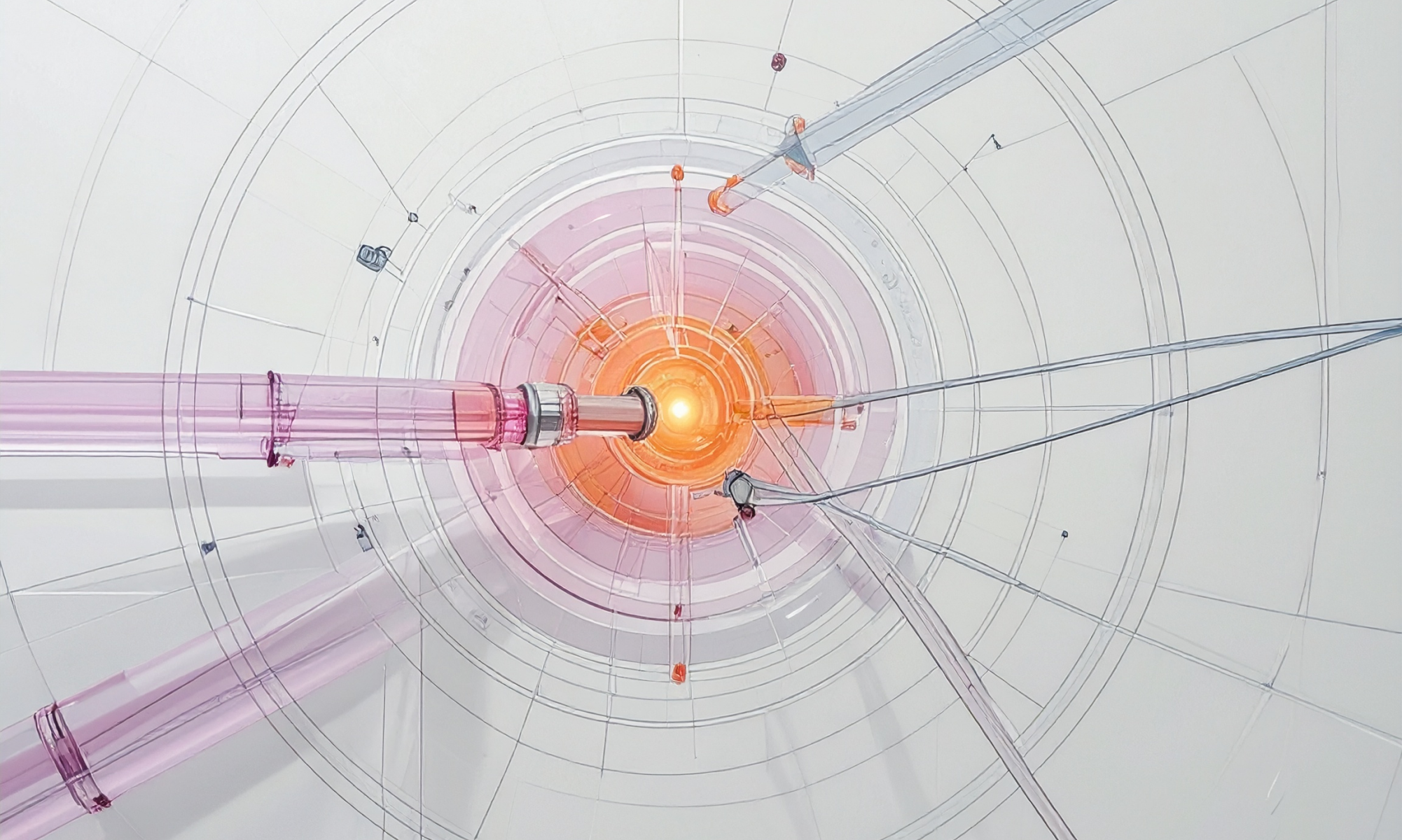
Illustration of a small AI experiment testing an idea before scaling

AI experiments can quickly get off track. Early projects, proofs of concept (POCs) - frequently focus on building something flashy instead of testing whether an idea actually works for the business. Teams spend weeks creating impressive models or dashboards, but at the end of the day, the real question remains unanswered: does this idea deliver value?

POCs often struggle because the scope isn’t clear, success isn’t defined, or too much time is spent on building something complex that isn’t necessary. Months can go by without answering the questions that matter most. A better approach is to start with a proof-of-value, or POV.

The first step is clarity. Be clear about the problem you are trying to solve, the data you have available and any rules or limits you need to work within. Ask yourself: what exactly are we testing? Do we have the right data to test it? Are there any constraints that need to be considered? Taking the time to answer these questions upfront saves confusion later.

Next, keep the experiment small and focused. Test your idea with a limited group or a small dataset. The aim isn’t to build a finished solution - it’s to learn quickly. Small tests mean you can gather evidence fast, see what works and give leadership the information they need to make decisions sooner.

Before starting, decide what success looks like. What would make you confident this idea is worth continuing? Tie your metrics to actual business outcomes, not just technical measures or fancy dashboards. Ask: does this test answer the real question we need to know? Will it show whether the project adds value?

It’s also worth checking whether any part of the experiment is there just because it’s new or interesting. Technology alone doesn’t solve problems - focus on the parts that actually matter to the business.

At Studio Graphene, we’ve found that proof-of-value experiments are far more effective than POCs that aim to impress. Quick, honest tests help reduce risk, give leadership clarity and prevent months of unnecessary work. When done well, POVs show whether a project should be scaled, adjusted or paused.

We use proof-of-value as a foundation for delivering AI responsibly. By starting small, learning quickly and making decisions based on evidence, we help teams invest in the ideas most likely to succeed and avoid wasting time on those that won’t. The approach provides confidence, clarity and a clear path forward without unnecessary complexity.
spread the word, spread the word, spread the word, spread the word,
Abstract representation of AI product design showing evolving digital interfaces and iterative system behaviour over time
AI

AI Products Don’t Stay Finished: Why Product Design Is Becoming More Iterative Than Ever

Ritam Gandhi announces Studio Graphene’s integration with Tribe and expansion into Ireland
Studio

Why We’re Welcoming Tribe into Studio Graphene

AI-driven digital interface showing reduced user interaction, with automated systems handling tasks in the background while users monitor outputs and decisions through a simplified dashboard.
AI

AI Is Making Interfaces Less Visible. But Design Is Becoming More Important, Not Less

Diagram showing shift from linear user journeys to continuous, context-aware AI interactions
AI

AI Interaction Design and Conversational UX: Moving Beyond Linear User Journeys

Abstract illustration showing multimodal AI interfaces connecting voice, chat and automated systems across a digital product workflow, representing unified interaction design
AI

Multimodal AI Interface Design: Connecting Voice, Chat And Automation In Digital Products

AI Products Don’t Stay Finished: Why Product Design Is Becoming More Iterative Than Ever

Abstract representation of AI product design showing evolving digital interfaces and iterative system behaviour over time
AI

AI Products Don’t Stay Finished: Why Product Design Is Becoming More Iterative Than Ever

Why We’re Welcoming Tribe into Studio Graphene

Ritam Gandhi announces Studio Graphene’s integration with Tribe and expansion into Ireland
Studio

Why We’re Welcoming Tribe into Studio Graphene

AI Is Making Interfaces Less Visible. But Design Is Becoming More Important, Not Less

AI-driven digital interface showing reduced user interaction, with automated systems handling tasks in the background while users monitor outputs and decisions through a simplified dashboard.
AI

AI Is Making Interfaces Less Visible. But Design Is Becoming More Important, Not Less

AI Interaction Design and Conversational UX: Moving Beyond Linear User Journeys

Diagram showing shift from linear user journeys to continuous, context-aware AI interactions
AI

AI Interaction Design and Conversational UX: Moving Beyond Linear User Journeys

Multimodal AI Interface Design: Connecting Voice, Chat And Automation In Digital Products

Abstract illustration showing multimodal AI interfaces connecting voice, chat and automated systems across a digital product workflow, representing unified interaction design
AI

Multimodal AI Interface Design: Connecting Voice, Chat And Automation In Digital Products

AI Products Don’t Stay Finished: Why Product Design Is Becoming More Iterative Than Ever

Abstract representation of AI product design showing evolving digital interfaces and iterative system behaviour over time

Why We’re Welcoming Tribe into Studio Graphene

Ritam Gandhi announces Studio Graphene’s integration with Tribe and expansion into Ireland

AI Is Making Interfaces Less Visible. But Design Is Becoming More Important, Not Less

AI-driven digital interface showing reduced user interaction, with automated systems handling tasks in the background while users monitor outputs and decisions through a simplified dashboard.

AI Interaction Design and Conversational UX: Moving Beyond Linear User Journeys

Diagram showing shift from linear user journeys to continuous, context-aware AI interactions

Multimodal AI Interface Design: Connecting Voice, Chat And Automation In Digital Products

Abstract illustration showing multimodal AI interfaces connecting voice, chat and automated systems across a digital product workflow, representing unified interaction design