our blog

Designing Agentic AI for Multi-Team Collaboration
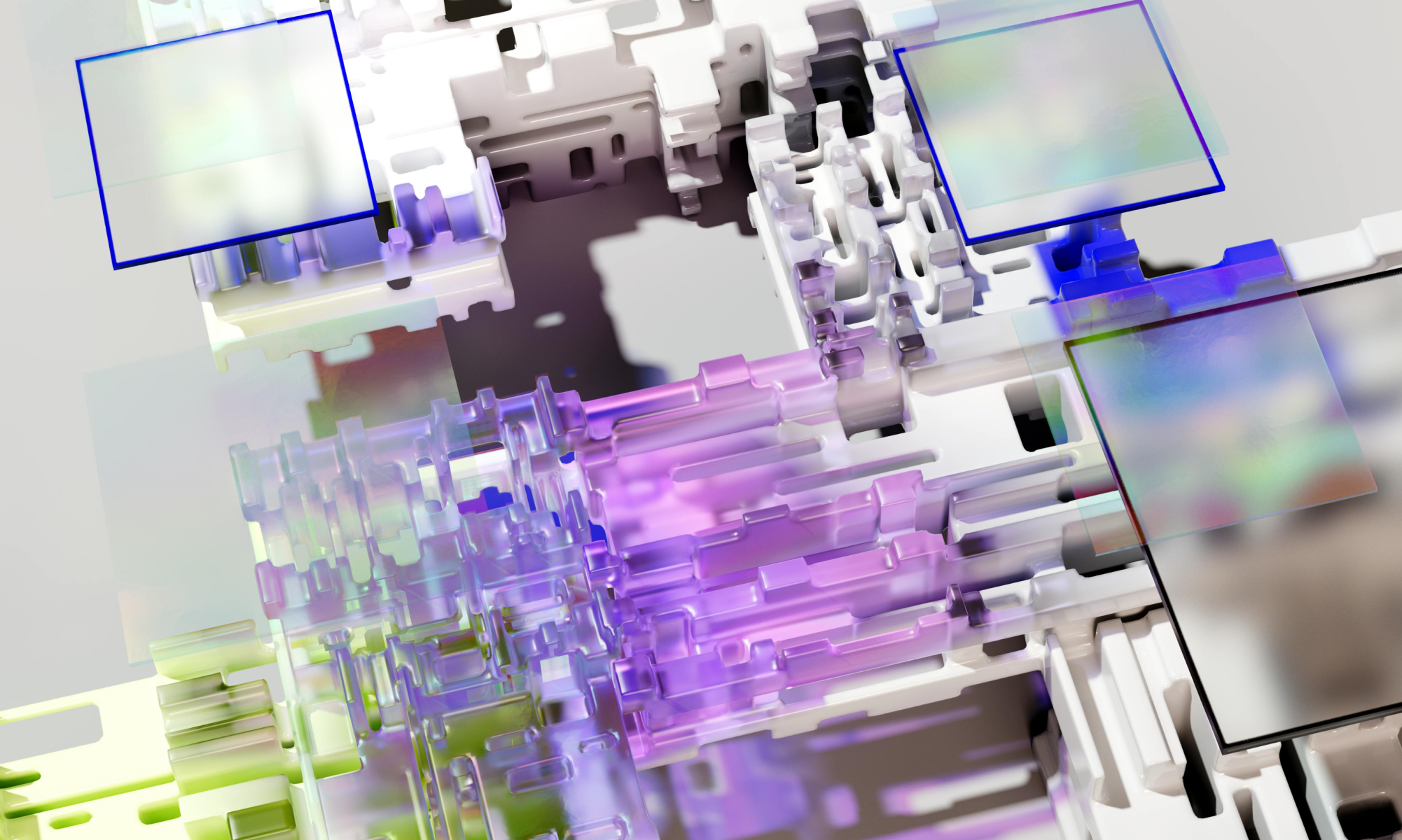
AI agent consolidating updates across teams while humans review insights in a digital platform

Agentic AI works best when it connects teams, not when it sits inside one of them. Most collaboration problems don’t happen in a single workflow, they happen when work moves between teams. Context can get lost, updates can slip through the cracks and leadership can end up looking at multiple slightly different versions of progress, each shaped by its own idea of what “done” looks like.

Agents built for a single team can make these gaps worse, with outputs drifting, reporting slipping and information failing to move cleanly between teams. The tech might work perfectly, but the organisation around it doesn’t. The biggest impact comes at the points where work moves between teams, where things need to flow smoothly.

In a custom platform, agents are at their best when they span teams and support structured coordination. They can pull updates together, track dependencies, standardise reporting and keep context intact. They’re not there to replace judgement, but to take the busywork off people’s plates so they can focus on decisions instead of chasing information.

Take a product launch across marketing, design and engineering. Each team moves at its own pace, often in different tools. An agent can pull updates together, flag blockers and produce a consistent weekly summary for leadership. Teams still own delivery, leaders still decide priorities and the agent keeps work flowing so everyone is on the same page.

What makes this work is clarity, again. Before building anything, map how information actually moves between teams. Where are decisions made? Where are approvals needed? Where does context drop? Define escalation paths, agree what a good output looks like and be clear about where human oversight matters, especially for financial, regulatory or reputational decisions. Agents should support those moments, not replace them.

At Studio Graphene, we’ve found agents work best when deliberately placed at points where teams interact. Clear responsibilities and predictable outputs matter more than complexity. When visibility improves, alignment improves, teams spend less time coordinating and leadership sees evidence rather than interpretation.

To reiterate, the biggest impact doesn’t come from individual teams working in isolation. Designing agents for multi-team collaboration means you’re helping your organisation move information and make decisions more smoothly, not just automating more tasks.
spread the word, spread the word, spread the word, spread the word,
Abstract representation of AI product design showing evolving digital interfaces and iterative system behaviour over time
AI

AI Products Don’t Stay Finished: Why Product Design Is Becoming More Iterative Than Ever

Ritam Gandhi announces Studio Graphene’s integration with Tribe and expansion into Ireland
Studio

Why We’re Welcoming Tribe into Studio Graphene

AI-driven digital interface showing reduced user interaction, with automated systems handling tasks in the background while users monitor outputs and decisions through a simplified dashboard.
AI

AI Is Making Interfaces Less Visible. But Design Is Becoming More Important, Not Less

Diagram showing shift from linear user journeys to continuous, context-aware AI interactions
AI

AI Interaction Design and Conversational UX: Moving Beyond Linear User Journeys

Abstract illustration showing multimodal AI interfaces connecting voice, chat and automated systems across a digital product workflow, representing unified interaction design
AI

Multimodal AI Interface Design: Connecting Voice, Chat And Automation In Digital Products

AI Products Don’t Stay Finished: Why Product Design Is Becoming More Iterative Than Ever

Abstract representation of AI product design showing evolving digital interfaces and iterative system behaviour over time
AI

AI Products Don’t Stay Finished: Why Product Design Is Becoming More Iterative Than Ever

Why We’re Welcoming Tribe into Studio Graphene

Ritam Gandhi announces Studio Graphene’s integration with Tribe and expansion into Ireland
Studio

Why We’re Welcoming Tribe into Studio Graphene

AI Is Making Interfaces Less Visible. But Design Is Becoming More Important, Not Less

AI-driven digital interface showing reduced user interaction, with automated systems handling tasks in the background while users monitor outputs and decisions through a simplified dashboard.
AI

AI Is Making Interfaces Less Visible. But Design Is Becoming More Important, Not Less

AI Interaction Design and Conversational UX: Moving Beyond Linear User Journeys

Diagram showing shift from linear user journeys to continuous, context-aware AI interactions
AI

AI Interaction Design and Conversational UX: Moving Beyond Linear User Journeys

Multimodal AI Interface Design: Connecting Voice, Chat And Automation In Digital Products

Abstract illustration showing multimodal AI interfaces connecting voice, chat and automated systems across a digital product workflow, representing unified interaction design
AI

Multimodal AI Interface Design: Connecting Voice, Chat And Automation In Digital Products

AI Products Don’t Stay Finished: Why Product Design Is Becoming More Iterative Than Ever

Abstract representation of AI product design showing evolving digital interfaces and iterative system behaviour over time

Why We’re Welcoming Tribe into Studio Graphene

Ritam Gandhi announces Studio Graphene’s integration with Tribe and expansion into Ireland

AI Is Making Interfaces Less Visible. But Design Is Becoming More Important, Not Less

AI-driven digital interface showing reduced user interaction, with automated systems handling tasks in the background while users monitor outputs and decisions through a simplified dashboard.

AI Interaction Design and Conversational UX: Moving Beyond Linear User Journeys

Diagram showing shift from linear user journeys to continuous, context-aware AI interactions

Multimodal AI Interface Design: Connecting Voice, Chat And Automation In Digital Products

Abstract illustration showing multimodal AI interfaces connecting voice, chat and automated systems across a digital product workflow, representing unified interaction design