our blog

AI Product Design No Longer Stops At Launch
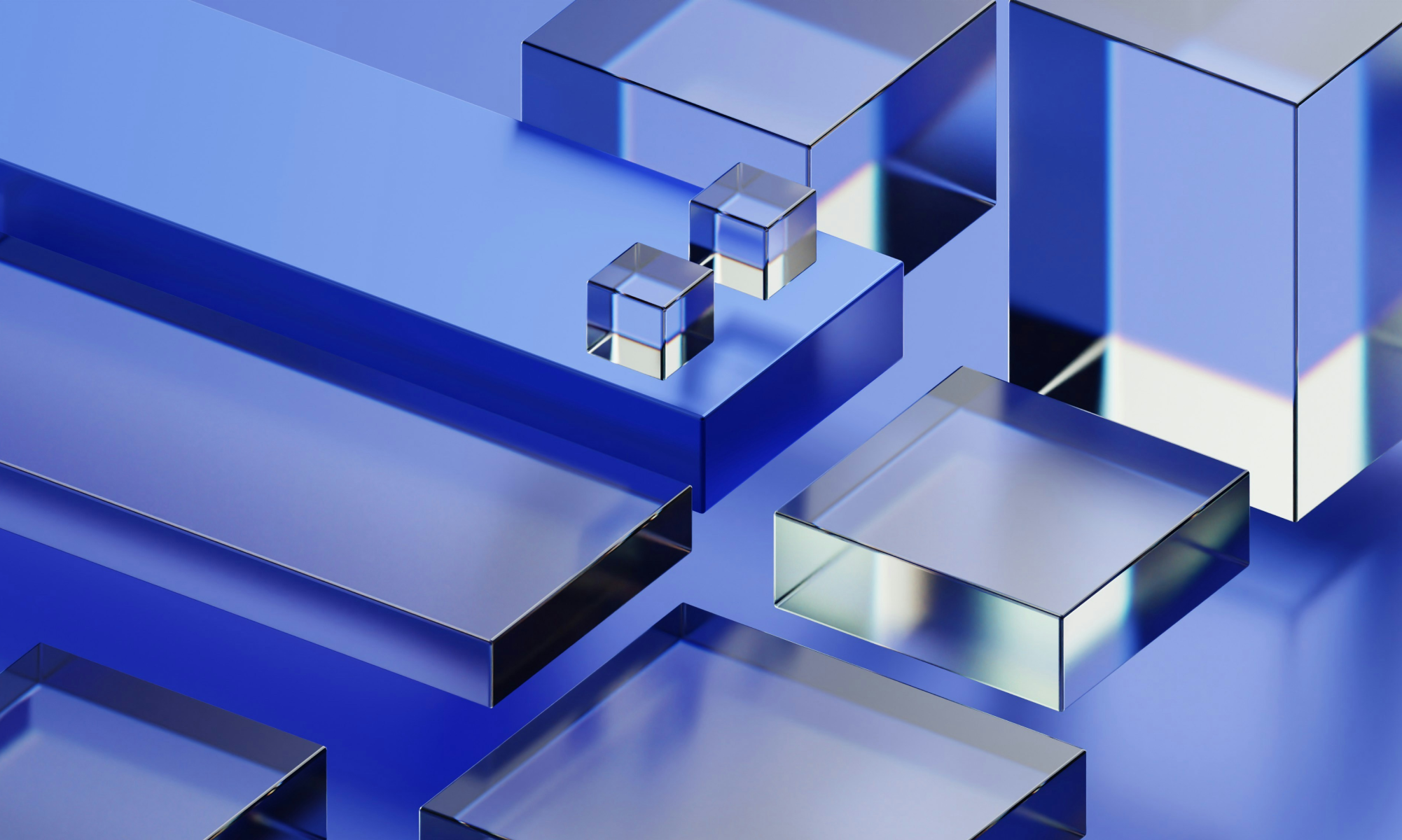
AI-generated illustration showing the shift in product design from static interfaces and predefined flows to evolving AI-native systems. The image reflects how design decisions extend beyond launch as products adapt through user interaction, feedback loops and changing system behaviour over time.

Good product design has never been static. Most mature digital products already evolve through release, feedback and refinement, with teams adjusting interfaces, improving workflows and responding to how people actually use the product over time. That is obviously not new but what AI changes is the nature of the system being designed.

In traditional digital products, the underlying behaviour is largely stable between releases. Users move through flows designed in advance and receive consistent outcomes until a deliberate update changes something. Design decisions stay fixed until they are intentionally revisited and there’s always a clear sense of what the product is at any given moment.

AI-native products behave differently because outputs vary depending on context, phrasing and previous interactions. The experience can continue shifting after release without a version change or interface update triggering it. Behaviour itself becomes less fixed while the product is already in use.

That changes what design is responsible for. It is no longer only about refining something stable through planned iterations but about shaping systems whose behaviour continues to evolve through usage, feedback and ongoing adjustment. Decisions extend beyond interfaces and flows into how the system responds under different conditions, how it handles uncertainty and how it adapts as new patterns emerge.

Feedback loops become a more explicit part of product thinking as a result. What the system learns from usage, how it adapts and how those changes surface in the experience are no longer purely engineering concerns. They are also design decisions.

It also changes how teams work together. Product, design and engineering are no longer separate stages in a linear delivery sequence. They are working on shared systems that continue to evolve, which shifts design away from defining final outputs and towards defining the behaviours, boundaries and constraints that keep products coherent as they change.

At Studio Graphene, this is increasingly shaping how we approach AI-native product design. The focus is shifting from designing fixed experiences towards shaping systems that remain understandable, usable and reliable as they evolve. Design still creates structure and helps people understand how a product works. The difference is that the work no longer stops once the product ships.
spread the word, spread the word, spread the word, spread the word,
AI-generated illustration showing the shift in product design from static interfaces and predefined flows to evolving AI-native systems. The image reflects how design decisions extend beyond launch as products adapt through user interaction, feedback loops and changing system behaviour over time.
AI

AI Product Design No Longer Stops At Launch

AI-generated illustration showing how UX design is evolving in AI products, with a balance between automation, trust, visibility and human control. The image represents the shift from traditional predictable software flows to more adaptive AI-driven experiences where clarity and recoverability are important to user confidence.
AI

Why AI Products Need Different UX Design Principles

Abstract illustration representing AI-driven product development, showing iterative cycles of building, testing and refining digital products.
AI

AI Has Made Product Iteration Faster. The Mindset Hasn’t Changed

Abstract visual showing interconnected digital teams, workflows and systems representing shared ownership and accountability in AI-native product environments
AI

AI-Native Products Are Changing Ownership Models In Digital Teams

Abstract visual representing AI-native product and service design with connected workflows, digital interfaces and operational systems working together
AI

AI-Native Products Are Blurring The Line Between Product And Service Design

AI Product Design No Longer Stops At Launch

AI-generated illustration showing the shift in product design from static interfaces and predefined flows to evolving AI-native systems. The image reflects how design decisions extend beyond launch as products adapt through user interaction, feedback loops and changing system behaviour over time.
AI

AI Product Design No Longer Stops At Launch

Why AI Products Need Different UX Design Principles

AI-generated illustration showing how UX design is evolving in AI products, with a balance between automation, trust, visibility and human control. The image represents the shift from traditional predictable software flows to more adaptive AI-driven experiences where clarity and recoverability are important to user confidence.
AI

Why AI Products Need Different UX Design Principles

AI Has Made Product Iteration Faster. The Mindset Hasn’t Changed

Abstract illustration representing AI-driven product development, showing iterative cycles of building, testing and refining digital products.
AI

AI Has Made Product Iteration Faster. The Mindset Hasn’t Changed

AI-Native Products Are Changing Ownership Models In Digital Teams

Abstract visual showing interconnected digital teams, workflows and systems representing shared ownership and accountability in AI-native product environments
AI

AI-Native Products Are Changing Ownership Models In Digital Teams

AI-Native Products Are Blurring The Line Between Product And Service Design

Abstract visual representing AI-native product and service design with connected workflows, digital interfaces and operational systems working together
AI

AI-Native Products Are Blurring The Line Between Product And Service Design

AI Product Design No Longer Stops At Launch

AI-generated illustration showing the shift in product design from static interfaces and predefined flows to evolving AI-native systems. The image reflects how design decisions extend beyond launch as products adapt through user interaction, feedback loops and changing system behaviour over time.

Why AI Products Need Different UX Design Principles

AI-generated illustration showing how UX design is evolving in AI products, with a balance between automation, trust, visibility and human control. The image represents the shift from traditional predictable software flows to more adaptive AI-driven experiences where clarity and recoverability are important to user confidence.

AI Has Made Product Iteration Faster. The Mindset Hasn’t Changed

Abstract illustration representing AI-driven product development, showing iterative cycles of building, testing and refining digital products.

AI-Native Products Are Changing Ownership Models In Digital Teams

Abstract visual showing interconnected digital teams, workflows and systems representing shared ownership and accountability in AI-native product environments

AI-Native Products Are Blurring The Line Between Product And Service Design

Abstract visual representing AI-native product and service design with connected workflows, digital interfaces and operational systems working together