our blog

Voice In AI: How Voice Boosts Productivity And Human Connection
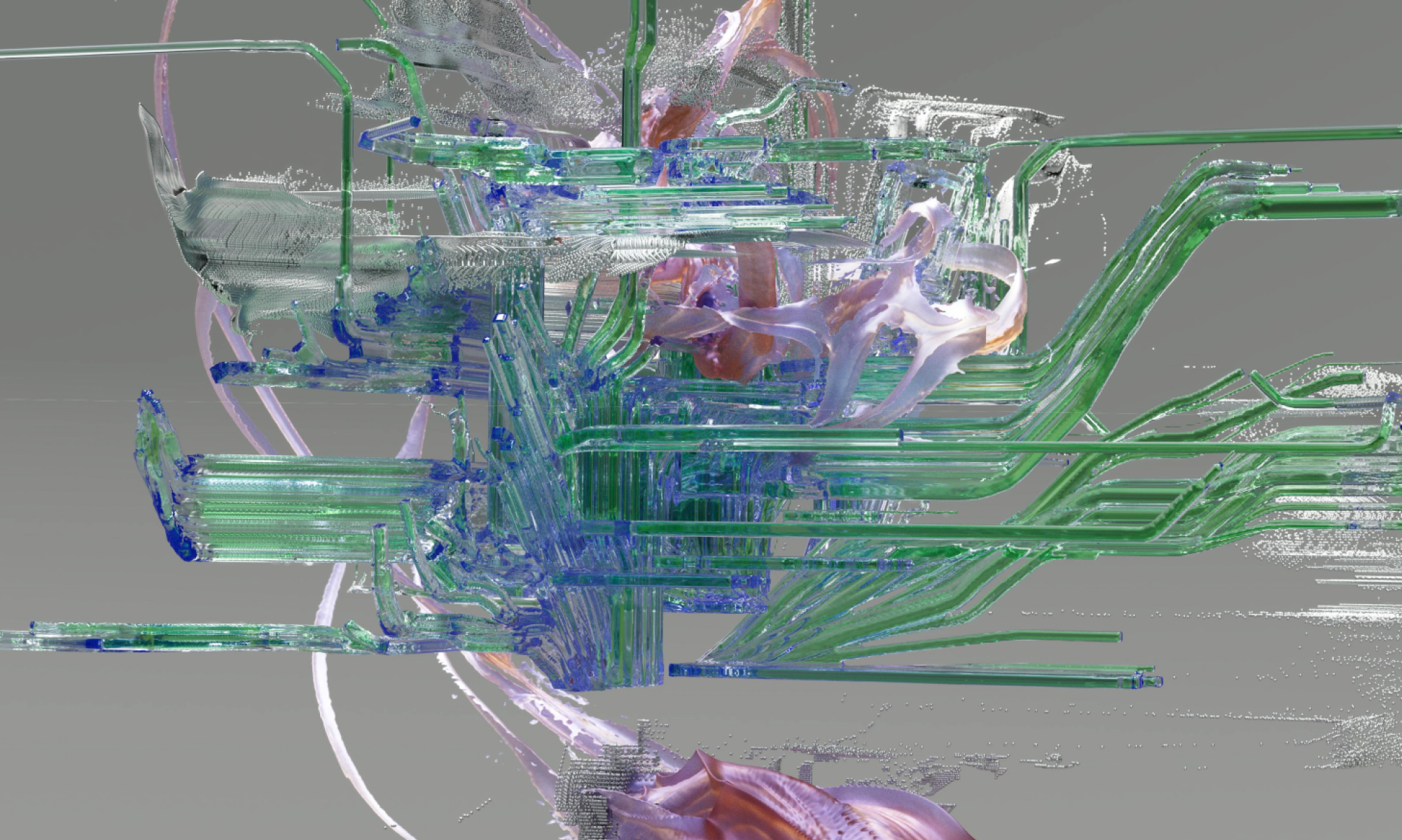
Team collaborating with voice-driven digital tools

Voice has always been our first and most important human way to share information and build relationships. Unlike text, it carries tone, pace and emotion - making communication more real and trustworthy. Today, AI is helping bring voice back to the centre of digital interactions, both conceptually and practically, with tools that make dictation seamless and productive.

Most digital tools are still text first, with interfaces that feel flat and transactional, prioritising efficiency over human connection. Emotional nuance, intent and tone are largely lost, leaving interactions feeling impersonal and rigid.

Integrating voice into digital workflows restores natural, intuitive interactions. It can increase trust and engagement, convey nuance, and bridge the gap between human needs and digital systems. Voice isn’t replacing text but it’s complementing it in ways that make communication more human and meaningful.

AI-driven voice-to-text tools are turning speech into text quickly and accurately. Teams can draft emails, requirements or notes hands-free, often at three times the speed of typing. This frees people to focus on decisions and problem-solving rather than mechanics, and it works across devices and locations, making productivity mobile and flexible.

When considering voice, it’s worth asking: does it improve clarity and understanding? Can it free up time for higher-value work? Does it integrate seamlessly with existing workflows?

At Studio Graphene, we’ve learned that voice should complement, not replace, text. Multimodal design creates flexibility and choice for users. The best tools scale productivity without heavy adoption barriers and their real value comes from speed, convenience and human-centred design.

AI-powered voice and voice-to-text when used thoughtfully, make digital communication faster, more intuitive and more human.


spread the word, spread the word, spread the word, spread the word,
Abstract illustration showing AI-native product design concepts, with systems architecture, workflows and intelligence embedded into product development from the outset rather than layered onto existing systems
AI

What “AI-Native” Actually Means (and Why Most Products Aren’t)

Abstract illustration showing AI product development workflows, with rapid experimentation, prototyping and validation loops connected to product decision-making and business outcomes
AI

The Most Expensive Mistake in AI Product Development

Illustration representing an AI-native competitor challenging traditional product strategy, showing how AI, automation and modern engineering can help organisations rethink inherited assumptions, operating models and competitive advantage.
AI

What Would Your AI-Native Competitor Do?

Abstract illustration showing AI influencing product strategy, with connected systems representing ideas, validation and rapid experimentation feeding into product decisions
AI

How AI Is Changing Product Strategy and Validation

Illustration showing product designers making judgement-led decisions in AI systems with variable, context-dependent outcomes rather than fixed outputs.
AI

AI Is Turning Product Design Into A Judgement-Led Discipline

What “AI-Native” Actually Means (and Why Most Products Aren’t)

Abstract illustration showing AI-native product design concepts, with systems architecture, workflows and intelligence embedded into product development from the outset rather than layered onto existing systems
AI

What “AI-Native” Actually Means (and Why Most Products Aren’t)

The Most Expensive Mistake in AI Product Development

Abstract illustration showing AI product development workflows, with rapid experimentation, prototyping and validation loops connected to product decision-making and business outcomes
AI

The Most Expensive Mistake in AI Product Development

What Would Your AI-Native Competitor Do?

Illustration representing an AI-native competitor challenging traditional product strategy, showing how AI, automation and modern engineering can help organisations rethink inherited assumptions, operating models and competitive advantage.
AI

What Would Your AI-Native Competitor Do?

How AI Is Changing Product Strategy and Validation

Abstract illustration showing AI influencing product strategy, with connected systems representing ideas, validation and rapid experimentation feeding into product decisions
AI

How AI Is Changing Product Strategy and Validation

AI Is Turning Product Design Into A Judgement-Led Discipline

Illustration showing product designers making judgement-led decisions in AI systems with variable, context-dependent outcomes rather than fixed outputs.
AI

AI Is Turning Product Design Into A Judgement-Led Discipline

What “AI-Native” Actually Means (and Why Most Products Aren’t)

Abstract illustration showing AI-native product design concepts, with systems architecture, workflows and intelligence embedded into product development from the outset rather than layered onto existing systems

The Most Expensive Mistake in AI Product Development

Abstract illustration showing AI product development workflows, with rapid experimentation, prototyping and validation loops connected to product decision-making and business outcomes

What Would Your AI-Native Competitor Do?

Illustration representing an AI-native competitor challenging traditional product strategy, showing how AI, automation and modern engineering can help organisations rethink inherited assumptions, operating models and competitive advantage.

How AI Is Changing Product Strategy and Validation

Abstract illustration showing AI influencing product strategy, with connected systems representing ideas, validation and rapid experimentation feeding into product decisions

AI Is Turning Product Design Into A Judgement-Led Discipline

Illustration showing product designers making judgement-led decisions in AI systems with variable, context-dependent outcomes rather than fixed outputs.