our blog

LLMs in Business: From AI Tools to Orchestrated Systems
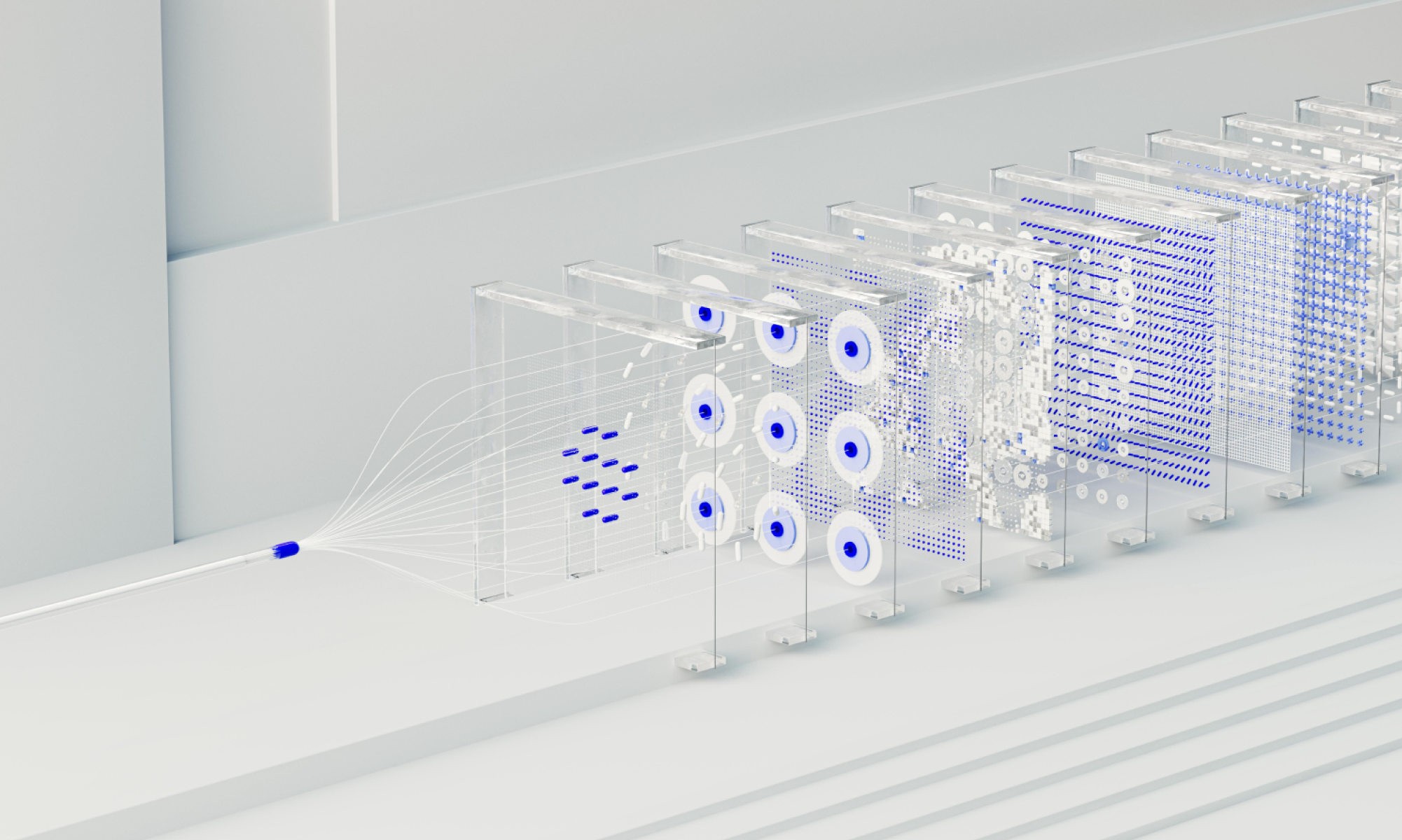
Illustration of AI systems working with business tools, showing LLMs orchestrating data, software, and human decisions.

Many people think of large language models (LLMs) as the “brains” of AI. Some recent high profile voices have been pessimistic about their future, pointing to limitations like lack of long term memory, grounding or true reasoning. At Studio Graphene, we see these same characteristics differently: they make LLMs predictable and controllable, and they create opportunities for hybrid systems that combine AI with your data, tools and processes to deliver real business value.

Our take is that for businesses exploring AI, these limits aren’t drawbacks - they are what make LLMs manageable and useful from day one. We see LLMs as a layer added on top of your existing software, working with your data, tools and teams. They help your business operate faster, reduce repetitive work and make information easier to manage, without replacing your current systems.

LLMs will become the interface, not the intelligence. They can take instructions, summarise information, draft communications or coordinate tasks, while the real “thinking” happens in your data, business rules and processes. You don’t need a fully automated AI system from day one. As we always say start small - let LLMs handle routine work, answer common questions or organise information. This builds confidence and shows value quickly. Companies that succeed treat AI as an orchestrator, not the holy grail. Smaller models for speed, retrieval for truth, agents for action, and guardrails for safety create AI that is reliable, scalable and adaptable.

As teams grow more comfortable, the next step is building a connected system. LLMs can coordinate multiple tools, check facts and suggest actions, while your people make the final decisions. The AI becomes a conductor rather than a solo performer, orchestrating different parts to work together efficiently. This approach grows with your business and avoids expensive, risky investments.

The opportunity is clear: better, smarter, faster decisions, automation and experiences for employees and customers. Most importantly, humans remain in control. AI becomes a partner, not a wildcard. The long term future of AI won’t be a single super model; it will be many specialised parts working together, guided by human judgment and grounded in real data.

At Studio Graphene, we help teams move from thinking of AI as “the answer” to “the orchestrator.” Whether you’re just starting or scaling what you’ve begun, we guide you step by step, building systems that are practical, resilient and ready for what’s next.
spread the word, spread the word, spread the word, spread the word,
Abstract representation of AI product design showing evolving digital interfaces and iterative system behaviour over time
AI

AI Products Don’t Stay Finished: Why Product Design Is Becoming More Iterative Than Ever

Ritam Gandhi announces Studio Graphene’s integration with Tribe and expansion into Ireland
Studio

Why We’re Welcoming Tribe into Studio Graphene

AI-driven digital interface showing reduced user interaction, with automated systems handling tasks in the background while users monitor outputs and decisions through a simplified dashboard.
AI

AI Is Making Interfaces Less Visible. But Design Is Becoming More Important, Not Less

Diagram showing shift from linear user journeys to continuous, context-aware AI interactions
AI

AI Interaction Design and Conversational UX: Moving Beyond Linear User Journeys

Abstract illustration showing multimodal AI interfaces connecting voice, chat and automated systems across a digital product workflow, representing unified interaction design
AI

Multimodal AI Interface Design: Connecting Voice, Chat And Automation In Digital Products

AI Products Don’t Stay Finished: Why Product Design Is Becoming More Iterative Than Ever

Abstract representation of AI product design showing evolving digital interfaces and iterative system behaviour over time
AI

AI Products Don’t Stay Finished: Why Product Design Is Becoming More Iterative Than Ever

Why We’re Welcoming Tribe into Studio Graphene

Ritam Gandhi announces Studio Graphene’s integration with Tribe and expansion into Ireland
Studio

Why We’re Welcoming Tribe into Studio Graphene

AI Is Making Interfaces Less Visible. But Design Is Becoming More Important, Not Less

AI-driven digital interface showing reduced user interaction, with automated systems handling tasks in the background while users monitor outputs and decisions through a simplified dashboard.
AI

AI Is Making Interfaces Less Visible. But Design Is Becoming More Important, Not Less

AI Interaction Design and Conversational UX: Moving Beyond Linear User Journeys

Diagram showing shift from linear user journeys to continuous, context-aware AI interactions
AI

AI Interaction Design and Conversational UX: Moving Beyond Linear User Journeys

Multimodal AI Interface Design: Connecting Voice, Chat And Automation In Digital Products

Abstract illustration showing multimodal AI interfaces connecting voice, chat and automated systems across a digital product workflow, representing unified interaction design
AI

Multimodal AI Interface Design: Connecting Voice, Chat And Automation In Digital Products

AI Products Don’t Stay Finished: Why Product Design Is Becoming More Iterative Than Ever

Abstract representation of AI product design showing evolving digital interfaces and iterative system behaviour over time

Why We’re Welcoming Tribe into Studio Graphene

Ritam Gandhi announces Studio Graphene’s integration with Tribe and expansion into Ireland

AI Is Making Interfaces Less Visible. But Design Is Becoming More Important, Not Less

AI-driven digital interface showing reduced user interaction, with automated systems handling tasks in the background while users monitor outputs and decisions through a simplified dashboard.

AI Interaction Design and Conversational UX: Moving Beyond Linear User Journeys

Diagram showing shift from linear user journeys to continuous, context-aware AI interactions

Multimodal AI Interface Design: Connecting Voice, Chat And Automation In Digital Products

Abstract illustration showing multimodal AI interfaces connecting voice, chat and automated systems across a digital product workflow, representing unified interaction design