
our blog

Hybrid AI Builds: Balancing Off The Shelf And Custom Tools
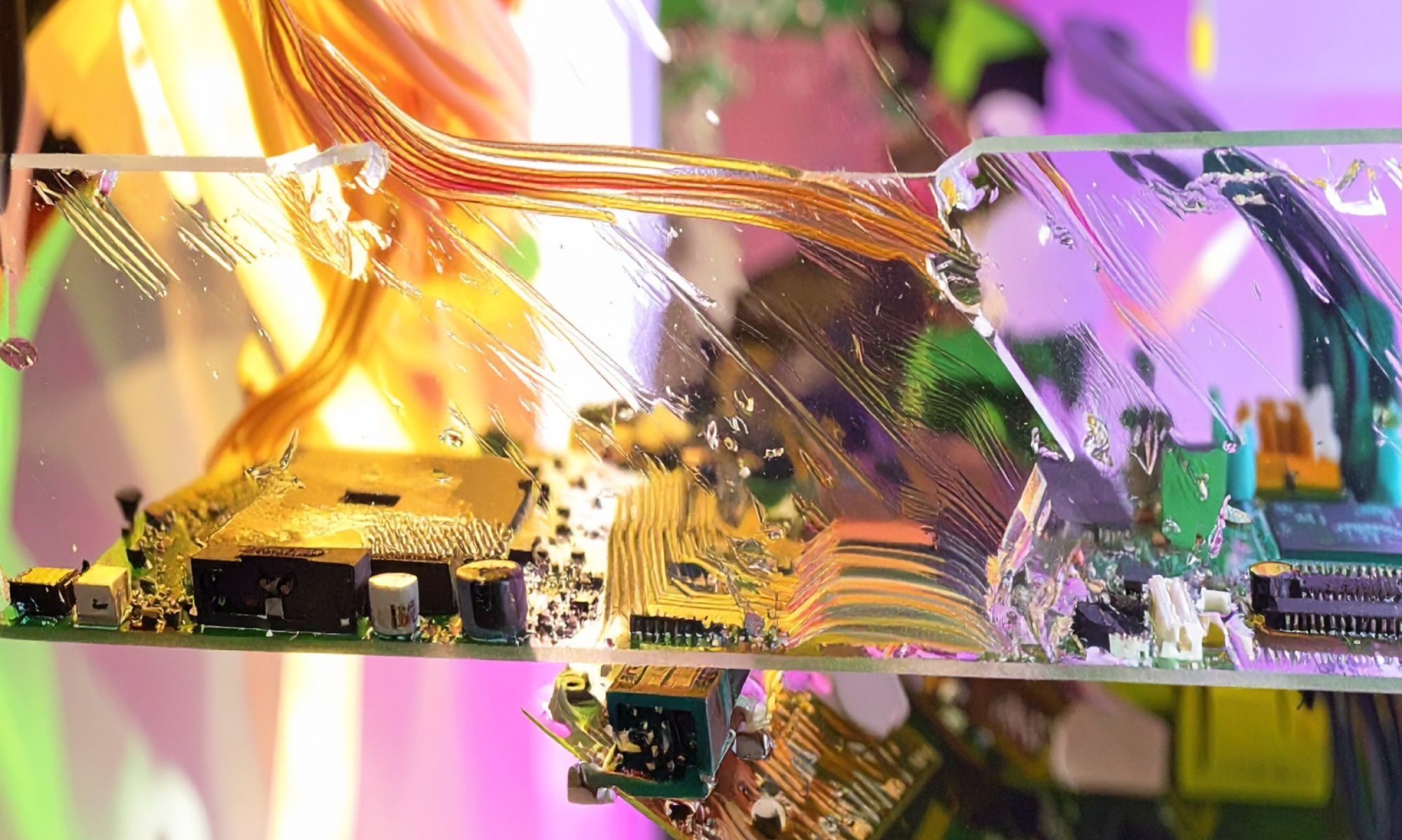
Illustration showing how hybrid AI builds combine off the shelf tools and custom development to create flexible, efficient AI solutions.

Not every AI project needs to be built from scratch. Off the shelf tools can get you up and running quickly but they don’t always fit the problem perfectly. The reality is that most successful AI initiatives sit somewhere in between – using what already works then adapting and extending it to fit the specific context of your business. Hybrid approaches combine speed with the flexibility to tailor technology to your needs.

Off the shelf tools make sense when setup speed and low upfront cost matter or when the problem is relatively standard – things like OCR, sentiment analysis or reporting. They can get you started fast without a large development effort. They’re also useful for proving value early, allowing teams to experiment, measure impact and secure buy-in before committing to deeper technical builds. In fast-moving projects that ability to learn quickly can be just as valuable as long-term scalability.

Custom builds are worth it when you need to work with unique data, specialised workflows or complex operations. They integrate more easily with existing systems, scale effectively and give you full control over functionality. They’re also better suited for businesses that expect ongoing change – where models need to evolve alongside products, users or regulations. Custom builds make it easier to adapt, measure and optimise performance over time.

The middle ground is a hybrid approach: combining off the shelf tools with custom wrappers, fine tuned models or bespoke logic. This lets you retain control and accuracy without slowing down delivery. It’s a pragmatic way to build – taking advantage of proven components while adding the custom logic that makes a product truly fit for purpose. Teams get the best of both worlds - reliable foundations and room to innovate.

Pulse, our delivery intelligence platform, shows this in action. We combined pre-trained models with custom logic for metric analysis and anomaly detection. The result was a faster rollout and insights that were useful and relevant to the way our teams work. It was a practical way to blend existing tools with tailored logic, keeping things efficient without adding unnecessary complexity.

At Studio Graphene, we see hybrid approaches as a way to speed up projects, reduce cost and maintain flexibility. The focus is always on outcomes, not just features – balancing the convenience of off the shelf tools with the control of bespoke builds. It’s an approach that reflects how we work with clients: using the right tools for the job, iterating fast and building with purpose. Hybrid doesn’t mean compromise – it means finding the smartest route to value.


spread the word, spread the word, spread the word, spread the word,
Abstract illustration showing AI-native product design concepts, with systems architecture, workflows and intelligence embedded into product development from the outset rather than layered onto existing systems
AI

What “AI-Native” Actually Means (and Why Most Products Aren’t)

Abstract illustration showing AI product development workflows, with rapid experimentation, prototyping and validation loops connected to product decision-making and business outcomes
AI

The Most Expensive Mistake in AI Product Development

Illustration representing an AI-native competitor challenging traditional product strategy, showing how AI, automation and modern engineering can help organisations rethink inherited assumptions, operating models and competitive advantage.
AI

What Would Your AI-Native Competitor Do?

Abstract illustration showing AI influencing product strategy, with connected systems representing ideas, validation and rapid experimentation feeding into product decisions
AI

How AI Is Changing Product Strategy and Validation

Illustration showing product designers making judgement-led decisions in AI systems with variable, context-dependent outcomes rather than fixed outputs.
AI

AI Is Turning Product Design Into A Judgement-Led Discipline

What “AI-Native” Actually Means (and Why Most Products Aren’t)

Abstract illustration showing AI-native product design concepts, with systems architecture, workflows and intelligence embedded into product development from the outset rather than layered onto existing systems
AI

What “AI-Native” Actually Means (and Why Most Products Aren’t)

The Most Expensive Mistake in AI Product Development

Abstract illustration showing AI product development workflows, with rapid experimentation, prototyping and validation loops connected to product decision-making and business outcomes
AI

The Most Expensive Mistake in AI Product Development

What Would Your AI-Native Competitor Do?

Illustration representing an AI-native competitor challenging traditional product strategy, showing how AI, automation and modern engineering can help organisations rethink inherited assumptions, operating models and competitive advantage.
AI

What Would Your AI-Native Competitor Do?

How AI Is Changing Product Strategy and Validation

Abstract illustration showing AI influencing product strategy, with connected systems representing ideas, validation and rapid experimentation feeding into product decisions
AI

How AI Is Changing Product Strategy and Validation

AI Is Turning Product Design Into A Judgement-Led Discipline

Illustration showing product designers making judgement-led decisions in AI systems with variable, context-dependent outcomes rather than fixed outputs.
AI

AI Is Turning Product Design Into A Judgement-Led Discipline

What “AI-Native” Actually Means (and Why Most Products Aren’t)

Abstract illustration showing AI-native product design concepts, with systems architecture, workflows and intelligence embedded into product development from the outset rather than layered onto existing systems

The Most Expensive Mistake in AI Product Development

Abstract illustration showing AI product development workflows, with rapid experimentation, prototyping and validation loops connected to product decision-making and business outcomes

What Would Your AI-Native Competitor Do?

Illustration representing an AI-native competitor challenging traditional product strategy, showing how AI, automation and modern engineering can help organisations rethink inherited assumptions, operating models and competitive advantage.

How AI Is Changing Product Strategy and Validation

Abstract illustration showing AI influencing product strategy, with connected systems representing ideas, validation and rapid experimentation feeding into product decisions

AI Is Turning Product Design Into A Judgement-Led Discipline

Illustration showing product designers making judgement-led decisions in AI systems with variable, context-dependent outcomes rather than fixed outputs.