our blog

AI Assistants And Human Expertise: How To Design Workflows That Work Together

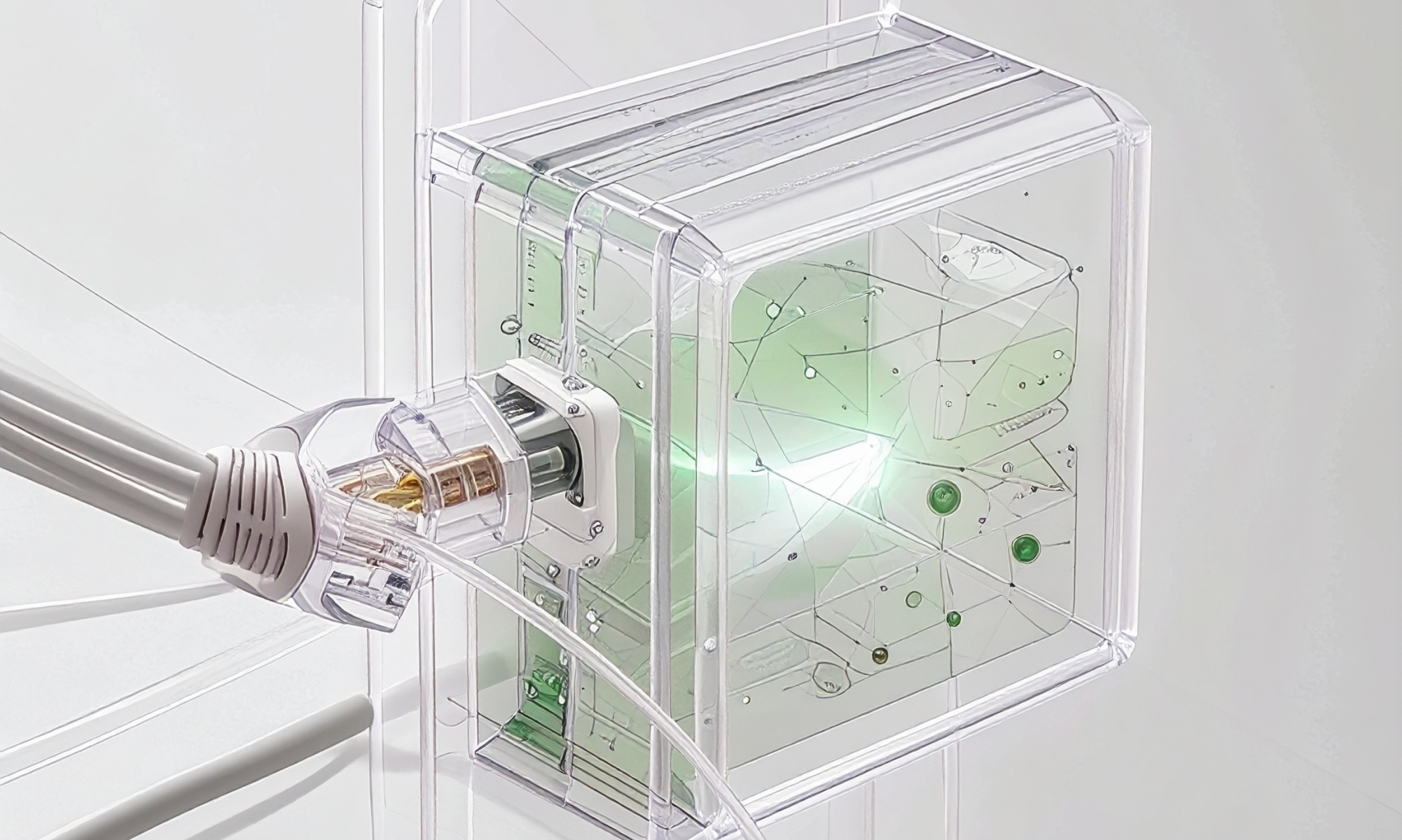
Concept image of collaboration between AI and human expertise

AI’s real power shows when it works alongside people. On its own, AI has strengths and gaps, just like people do. Together, they achieve more but only if workflows are built to complement each other, not replace one side. The future of work is people and AI working together, each doing what they do best.

The principle is straightforward - AI handles repetitive or pattern based tasks, leaving people free to focus on interpretation, strategy and edge cases. Its outputs improve when teams review, refine and provide feedback. Clear boundaries and escalation points make collaboration safe and effective. Therefore AI brings speed and scale, while people bring judgement and context.

Problems can arise though when expectations don’t match reality. Treating AI as a magic bullet, assuming outputs are flawless, ignoring context or existing workflows, or skipping team oversight all reduce its value. AI is a partner. It needs the right checks and balances to deliver lasting value, otherwise the risks can outweigh the benefits.

When collaboration works well, AI takes care of routine analysis, generates suggestions and surfaces options. Teams then interpret the results, add context and make the final decisions. Feedback loops help AI improve over time and escalation mechanisms manage uncertainty. Together, this speeds up outcomes without sacrificing quality or control, meaning not just efficiency, but also better decisions, as teams have more time to tackle bigger problems.

Pulse, our internal delivery intelligence platform, puts this into practice. It highlights trends and anomalies in delivery metrics, while product managers review and validate the insights before acting. The result is faster, more accurate decisions - AI supports the process, but people remain in the driver’s seat. It’s a clear example of AI and human expertise working together to improve productivity, quality and velocity without losing oversight.

At Studio Graphene, we follow a structured approach. We map workflows to pinpoint where AI adds the most value, set boundaries for team oversight, iterate with feedback loops and combine AI outputs with human expertise. The goal is simply to help teams make better, faster and smarter decisions, while keeping people central to it all.


spread the word, spread the word, spread the word, spread the word,
Abstract illustration showing AI-native product design concepts, with systems architecture, workflows and intelligence embedded into product development from the outset rather than layered onto existing systems
AI

What “AI-Native” Actually Means (and Why Most Products Aren’t)

Abstract illustration showing AI product development workflows, with rapid experimentation, prototyping and validation loops connected to product decision-making and business outcomes
AI

The Most Expensive Mistake in AI Product Development

Illustration representing an AI-native competitor challenging traditional product strategy, showing how AI, automation and modern engineering can help organisations rethink inherited assumptions, operating models and competitive advantage.
AI

What Would Your AI-Native Competitor Do?

Abstract illustration showing AI influencing product strategy, with connected systems representing ideas, validation and rapid experimentation feeding into product decisions
AI

How AI Is Changing Product Strategy and Validation

Illustration showing product designers making judgement-led decisions in AI systems with variable, context-dependent outcomes rather than fixed outputs.
AI

AI Is Turning Product Design Into A Judgement-Led Discipline

What “AI-Native” Actually Means (and Why Most Products Aren’t)

Abstract illustration showing AI-native product design concepts, with systems architecture, workflows and intelligence embedded into product development from the outset rather than layered onto existing systems
AI

What “AI-Native” Actually Means (and Why Most Products Aren’t)

The Most Expensive Mistake in AI Product Development

Abstract illustration showing AI product development workflows, with rapid experimentation, prototyping and validation loops connected to product decision-making and business outcomes
AI

The Most Expensive Mistake in AI Product Development

What Would Your AI-Native Competitor Do?

Illustration representing an AI-native competitor challenging traditional product strategy, showing how AI, automation and modern engineering can help organisations rethink inherited assumptions, operating models and competitive advantage.
AI

What Would Your AI-Native Competitor Do?

How AI Is Changing Product Strategy and Validation

Abstract illustration showing AI influencing product strategy, with connected systems representing ideas, validation and rapid experimentation feeding into product decisions
AI

How AI Is Changing Product Strategy and Validation

AI Is Turning Product Design Into A Judgement-Led Discipline

Illustration showing product designers making judgement-led decisions in AI systems with variable, context-dependent outcomes rather than fixed outputs.
AI

AI Is Turning Product Design Into A Judgement-Led Discipline

What “AI-Native” Actually Means (and Why Most Products Aren’t)

Abstract illustration showing AI-native product design concepts, with systems architecture, workflows and intelligence embedded into product development from the outset rather than layered onto existing systems

The Most Expensive Mistake in AI Product Development

Abstract illustration showing AI product development workflows, with rapid experimentation, prototyping and validation loops connected to product decision-making and business outcomes

What Would Your AI-Native Competitor Do?

Illustration representing an AI-native competitor challenging traditional product strategy, showing how AI, automation and modern engineering can help organisations rethink inherited assumptions, operating models and competitive advantage.

How AI Is Changing Product Strategy and Validation

Abstract illustration showing AI influencing product strategy, with connected systems representing ideas, validation and rapid experimentation feeding into product decisions

AI Is Turning Product Design Into A Judgement-Led Discipline

Illustration showing product designers making judgement-led decisions in AI systems with variable, context-dependent outcomes rather than fixed outputs.